

CROW warns feeding pelicans and other seabirds can have deadly consequences
Reminder comes as Florida prepares for an expanded 2026 recreational red snapper season
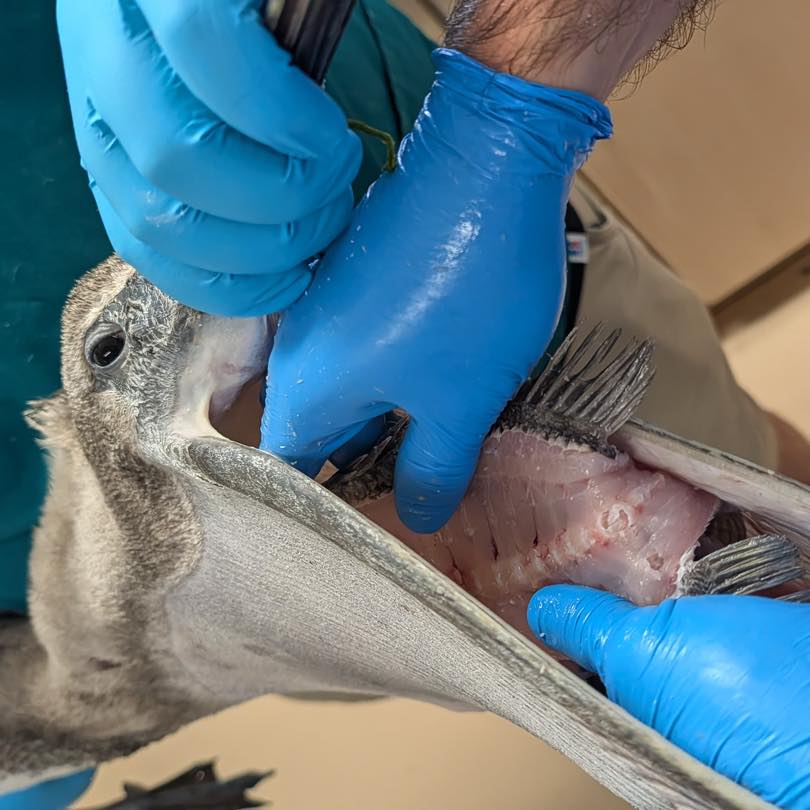
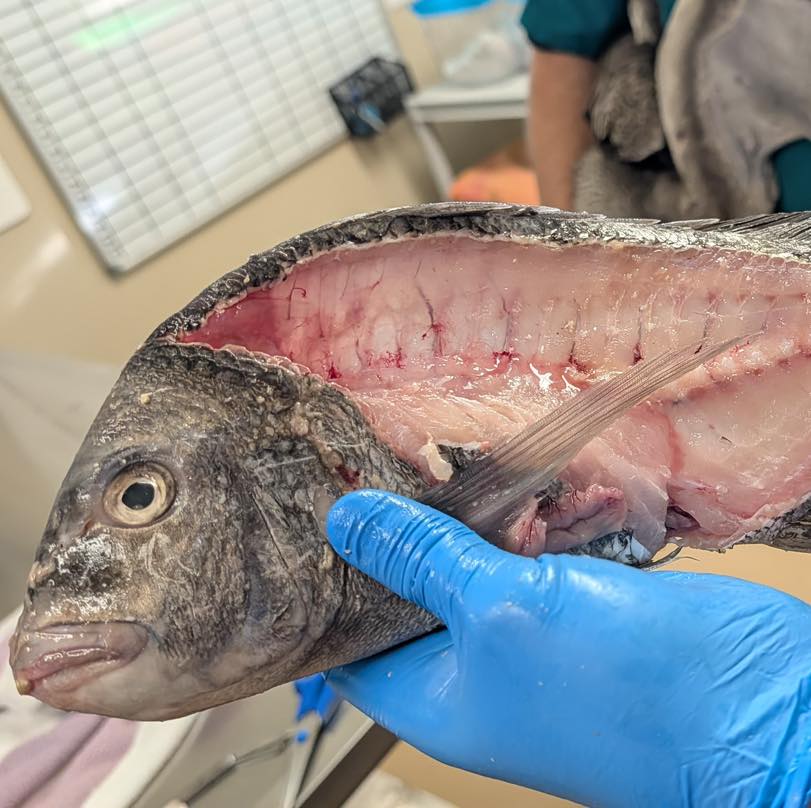
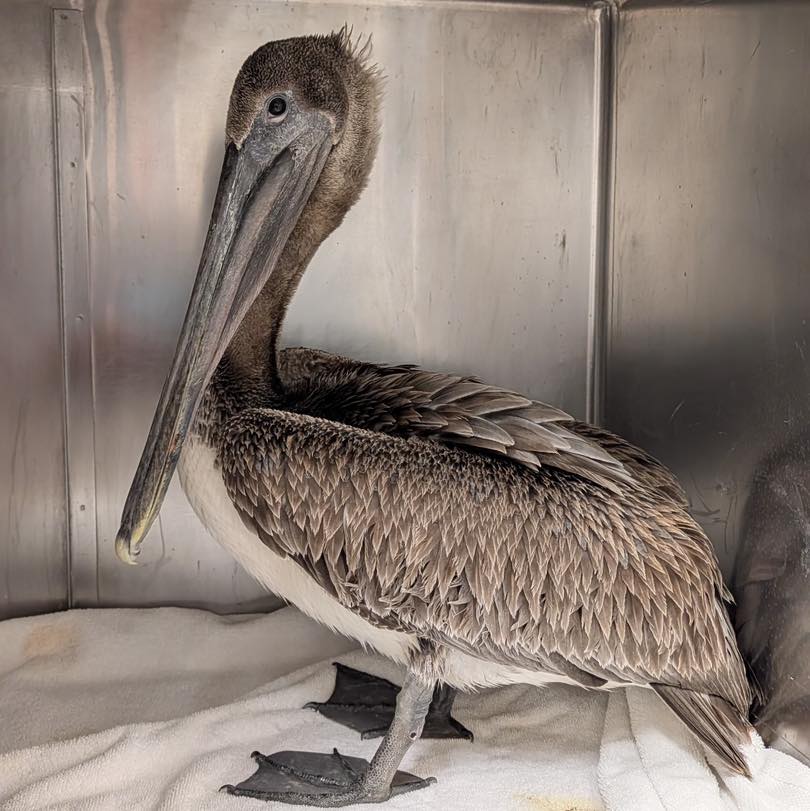
As Florida prepares for an expanded 2026 recreational red snapper season, the Clinic for the Rehabilitation of Wildlife is reminding anglers that feeding pelicans and other seabirds fish scraps can unintentionally cause serious injury or death.
Wildlife rehabilitators at CROW say they commonly treat pelicans and other seabirds with fish fillet scraps lodged in their throats after the birds attempt to swallow carcasses discarded by anglers. While the meat may seem harmless, exposed bones can become stuck while going down, causing painful injuries and preventing the birds from swallowing any other food.
“When people throw fish scraps to pelicans and other seabirds, they may think they are doing something good,” said Amber Strassler, CVT, CWR, a Certified Veterinary Technician/Floor Manager at CROW. “In reality, the exposed bones of the fillets can become lodged in the bird’s throat and tear the delicate pouch. The bird may then slowly starve because it can no longer feed properly.”
Strassler said many of the pelican patients she has seen have been fed very large scraps from fish such as sheepshead, and that size alone can make it difficult for them to swallow. She said brown pelicans typically catch smaller fish such as menhaden or anchovies on their own.
Treating these cases often requires sedation or anesthesia so veterinarians can safely examine the bird and remove the lodged bones. In more severe situations, birds may need ongoing supportive care, including fluids, pain medication and assisted feeding while they recover.
CROW notes that pelicans and other seabirds are highly adapted to finding their own food and do not need to be fed by humans. Feeding wildlife can also encourage birds to gather around fishing docks and cleaning stations, increasing their risk of injury from hooks, fishing line and harmful debris.
In Florida, feeding pelicans is illegal.
The reminder from CROW comes as Florida prepares for an expanded 2026 recreational red snapper season. On May 11, state officials announced a record 140-day Gulf red snapper season — the longest since Florida assumed management under updated federal rules — along with an expanded Atlantic season. Wildlife officials say increased fishing activity can also mean more fish waste left behind at docks, marinas and cleaning stations, making proper disposal especially important
CROW encourages anglers and beachgoers to properly dispose of fish carcasses and all fishing-related waste to help protect local wildlife. Officials say the best way to appreciate seabirds is to observe them from a distance and allow them to hunt naturally.