

Garden Club of Cape Coral | Fall plantings for a pollinator garden
By SHERIE BLEILER
news@breezenewspapers.com
Summer rains and rapid plant growth have encouraged the pollinator numbers to soar. Now in the fall, I notice many bees gathering pollen on the tea bush. As the day warms up, butterflies appear, searching for the nectar on their favorite Florida flowers.
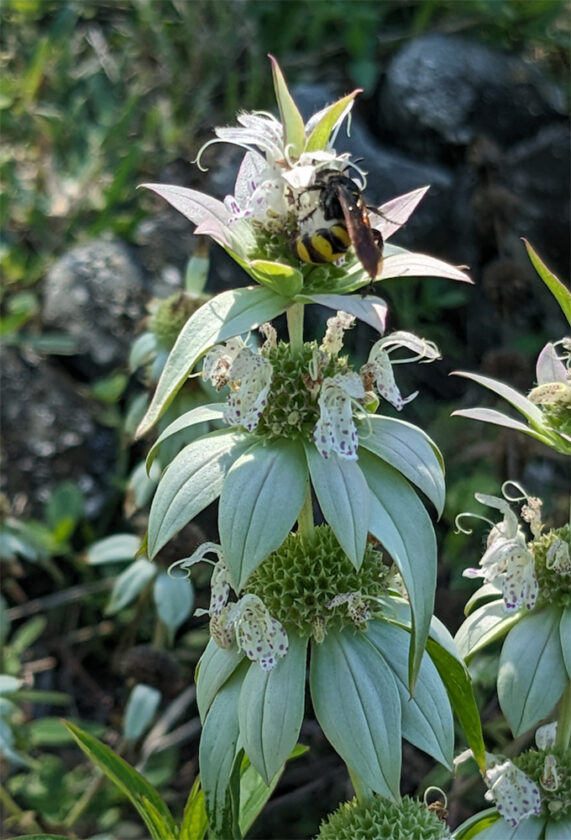
One interesting flower is spotted beebalm. It has small green leaves all year and blooms in the late summer to fall. The beebalm that grows up north has red flowers. The Florida spotted beebalm (Monarda punctata) has almost white bracts with tiny, spotted lavender flowers around it. The creamy white bracts last for several months and are an attractive contrast in a green garden. The whorls of bracts repeat several times, reaching a height of 2-4 feet. They grow easily in our sandy soil with no fertilizer in full sun or part shade. By trimming them once or twice during the summer, they will not tend to fall over. Or you may stake them up as the heavy flowers bloom at the ends of the branches. Seeds may be ordered from floridawildflowers.com. The flowers will leave seeds, which will sprout next year. A member of the mint family, its leaves are scented like oregano or thyme.
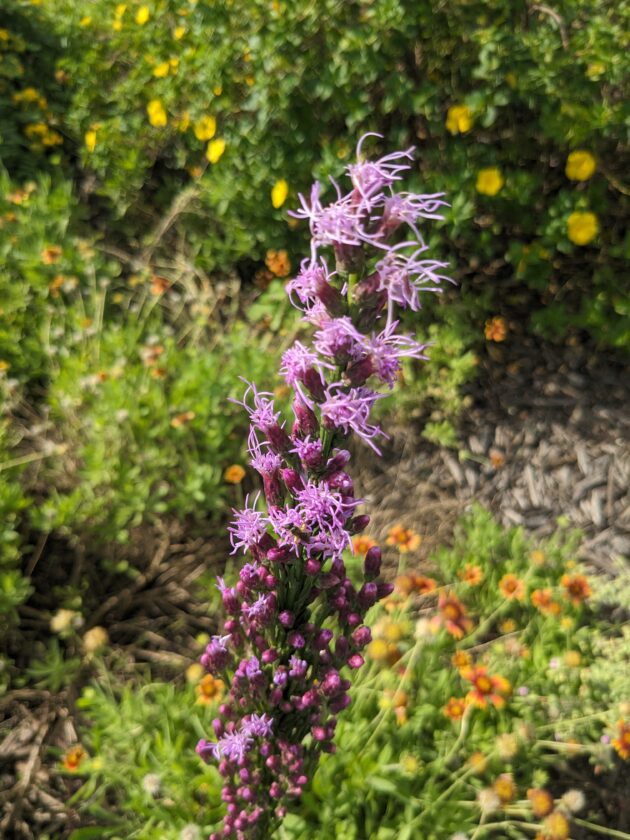
Blazing star, or liatris, is a fall bloomer much loved by pollinators. In early spring, a few flat leaves grow close to the ground from bulb-like thickened rootstock. The foliage is hardly noticeable until late summer, when flowering stems begin to grow as high as 2-4 feet, depending on the species. Lavender-colored flowers fill the long stem, making great cut floral arrangements for some and a pollinator picnic for others. After flowering, the dead stems shelter insects. Birds feed on the seeds and insects. The seeds are commercially available. The plants need full sun to flower and well-drained sand. The plants will become dormant in the winter but return in the spring, so mark your plants so you remember where they are. These plants provide strong vertical interest in the fall and are a nice contrast in a wildflower garden.
The more variety of plants there are, the more life appears in a pollinator garden. This explains why I encourage “weeds” to grow. These are part of our Florida heritage, supporting our ecosystem, and they obviously need nothing extra to help them grow well here. Here are two examples:
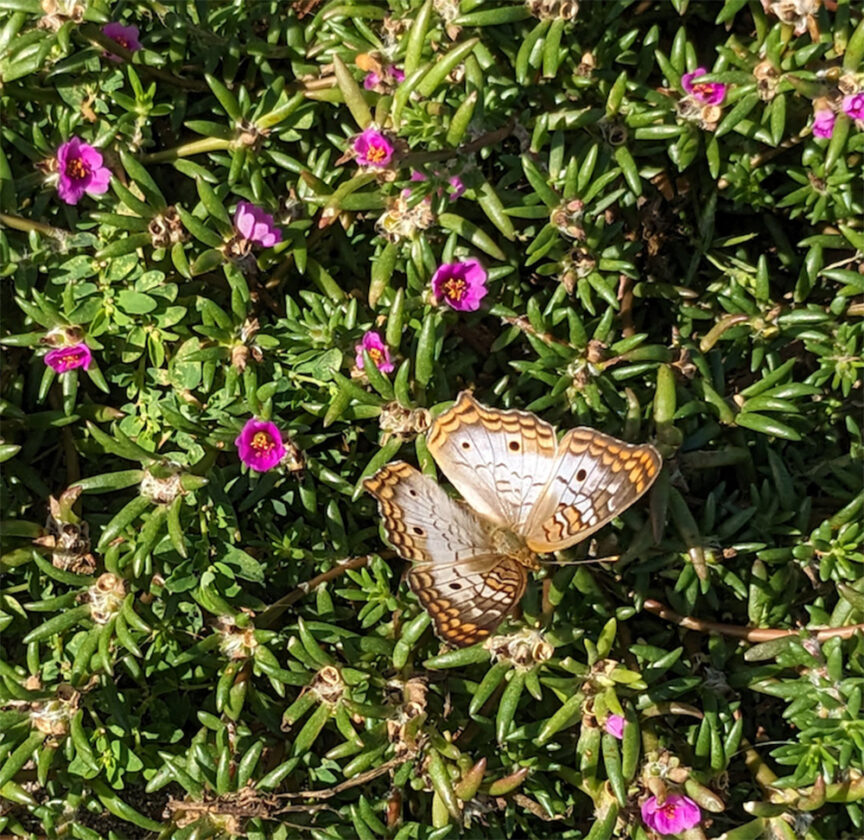
Pink purslane (portulaca pilosa) makes a cute ground cover only 1 or 2 inches tall with deep pink flowers and leaves reminiscent of rosemary. The white peacock butterfly nectars on it and recognizes it as a go-to food source. Purslane is attractive in a rock garden, around stepping stones or on a slope retaining the soil. You may not see the butterflies so much on the fancy purslane at the nursery because growers have improved the looks at the expense of the nectar value.
Common fanpetals (Sida ulmifolia) are only found in Florida and the Caribbean. What makes it most useful to me is that five of our small butterflies pick the plant on which to lay eggs and grow their young. The plant has yellow flowers and will happily grow in a lawn where it is mowed or in an open space reaching up to 3 feet tall.
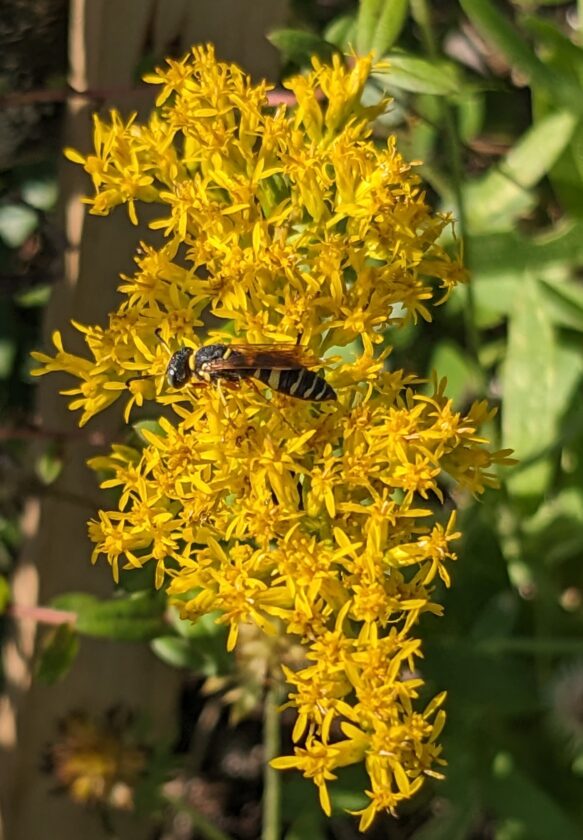
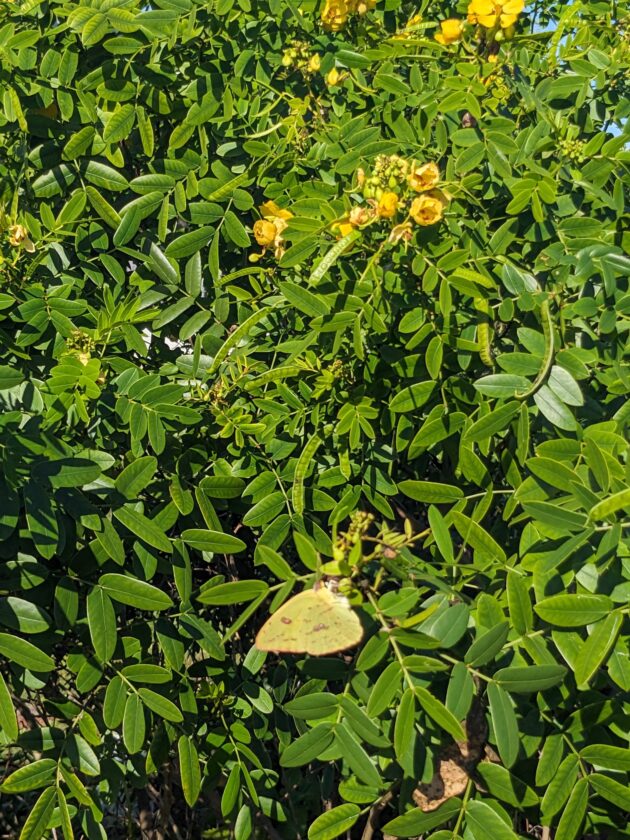
Last month I mentioned goldenrod and climbing aster as beautiful fall bloomers for pollinators. Senna bushes also have begun to flower now, after enduring the summer heat, attracting yellow sulphur butterflies.
Many more pollinator plants exist than can be mentioned here. A valuable source of additional information can be found at the Florida Wildflower Foundation at flawildflowers.org.
A plant sale will take place at the annual Autumn Garden Festival from 9 a.m. to 4 p.m. Saturday and Sunday, Nov. 21-22, at the Edison and Ford Winter Estates.
Sherie Bleiler is past president of the Garden Club of Cape Coral, and she volunteers at the butterfly gardens at the Cape Coral-Lee County Public Library and Sands Park. For more information, visit gardenclubofcapecoral.com. Like us on Facebook and Instagram.