

Garden Club of Cape Coral | Planning suggestions for your fall garden
By CATHY DUNN
news@breezenewspapers.com
If you are a transplant to Southwest Florida, you probably intuitively feel that now is the time to give your garden a final clean up and store your tools until spring. The good news is that the fun is just beginning! As our days shorten and temperatures start to inch down, fall is the ideal time to head outside to enhance your established beds, nurture your trees and palms, and plant herbs and vegetables.
If your summer beds look a little bedraggled, it is easy to brighten them up quickly with new bursts of color. Perennials, such as crossandra, gerbera daisies and milkweed, will provide color all year long and will also attract butterflies to your outdoor spaces. Annuals welcome cooler temperatures and will refresh your existing planters and beds; nasturtium, celosia, wax begonias, impatiens, alyssum, dianthus and scarlet sage are excellent choices for incorporating annuals into your plantings. If you miss the traditional fall plants you have enjoyed in the past, you can add marigolds, mums or ornamental peppers; these plants are available at all local garden centers.
Fall is an excellent time to experiment with bulbs in the garden; September is the ideal month to plant gladiolus every two weeks to stagger blooming. You can also divide existing bulbs that need rejuvenation or to give away to friends! In October, bulbs such as agapanthus, rain lily and Clivia lily can be planted for blooms next spring or summer. Make sure you plant bulbs in a well-drained area and incorporate organic matter to our sandy Florida soil for best results; since we don’t experience cold winters here, you won’t need to plant your bulbs deeply as you did in northern climates.
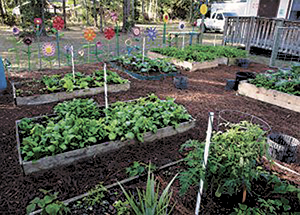
Since September temperatures remain warm, it is a perfect time to plant most of your favorite “summer” vegetables, such as carrots, eggplants, summer squash, tomatoes, watermelon and peppers. Herbs that tolerate warmer temperatures — tarragon, mint, rosemary and basil — can be grown in beds or pots and will be a welcome addition to your fall cooking! In October, you can plant vegetables that thrive in shorter days and at cooler temperatures, such as beans, broccoli, lettuce, spinach and green onions. A wide range of herbs can be planted now from either seeds or transplants; dill, fennel, parsley and cilantro are popular herbs for fall plantings. I always feel a bit smug when I post pictures of my fall vegetable and herb plantings while my friends up north are tuning up the snow blowers and getting the snow shovels ready!
The fall months also offer a great opportunity to incorporate new native shrubs into your landscape. Firebush, dahoon holly, marlberry and beautyberry are selections that will provide berries for birds and other wildlife. October is the last month of the year that fertilizer is recommended for trees and shrubs; a controlled release fertilizer is your best choice for maintaining nutrients over the next several months.
Enjoying time outside year-round is one of the many benefits of living in Southwest Florida. With cooler temperatures and lower humidity, fall is the perfect time to improve your established plantings, incorporate new shrubs and plants, and perhaps start your first vegetable and herb garden. Take advantage of this beautiful season to venture outside and expand your gardening skills. As the famous American botanist Luther Burbank stated: “Flowers always make people better, happier, and more helpful; they are sunshine, food and medicine for the soul.”
Cathy Dunn is a member of the Garden Club of Cape Coral, a Lee County Master Gardener volunteer and past president of the James E. Hendry Hibiscus Chapter.