

Garden Club of Cape Coral | The lessons of August gardening
By SYLVIA SWARTZ
news@breezenewspapers.com
Gardening in Southwest Florida in August – even into early October – is an exercise in resilience, strategy and respect for the climate. The heat is not a gentle warmth but a full, enveloping force — thick humidity, blazing sun and daily temperatures that hover in the mid-90s and feel like temps of 105-110 degrees. Yet, surprisingly, this is also a month of abundance – IF you know how to work with the season rather than against it. So take a tip from me — August is when the garden teaches you to slow down, observe and choose your efforts wisely.
The first truth of August gardening is that the soil itself behaves differently. After the good rains we’ve been having, it’s warm, saturated and biologically active. Microbes thrive, organic matter breaks down quickly and as any gardener here knows, weeds grow with astonishing speed. Mulch becomes your best ally. A thick layer — three to four inches — helps stabilize soil temperature, suppress weeds and retain moisture. In our sandy soils, this protection is essential. Without it, the sun bakes the top layer of “soil” into something closer to beach sand than garden soil.
August is also a transitional month. It’s too hot for most classic vegetables, yet it’s the perfect time to prepare beds for our fall planting season. Take time in August to solarize soil, clear out spent crops, and enrich beds with compost. Solarization — covering moist soil with clear plastic for several weeks — uses the intense heat to kill nematodes, weed seeds and soil pathogens. Few places offer better solarizing conditions than Southwest Florida in August!
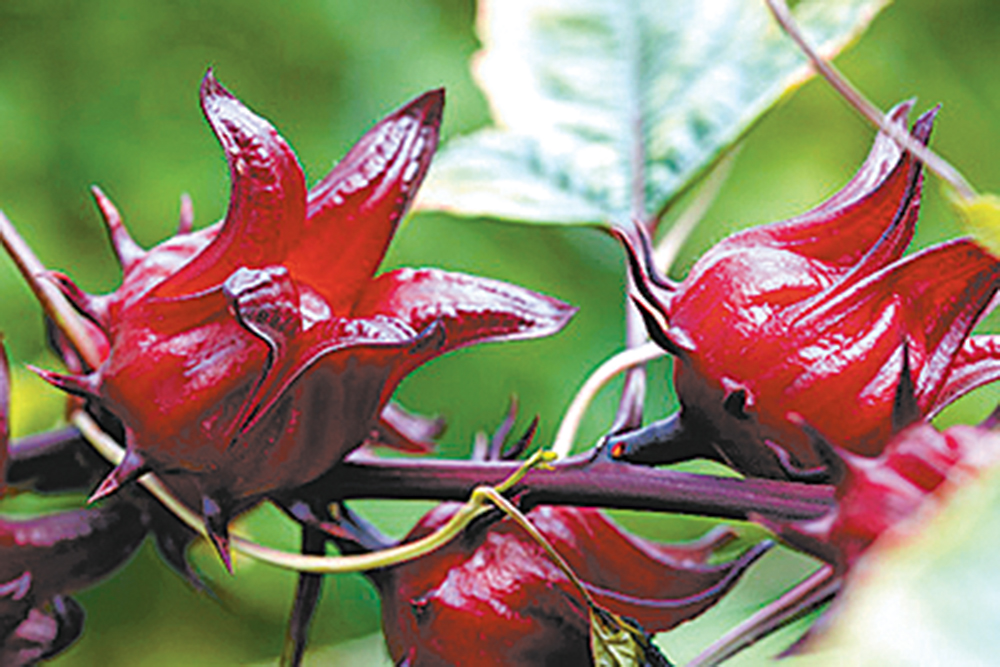
Tropical edibles thrive here — for example: longevity spinach, Okinawa spinach, sweet potatoes, cassava, Seminole pumpkin, roselle and tropical peppers. They don’t merely tolerate the heat — they revel in it. Sweet potato vines race across the ground, Seminole pumpkins set fruit even in August’s oppressive humidity, and roselle grows tall and lush. If you want productivity in August, grow crops that evolved for this climate.
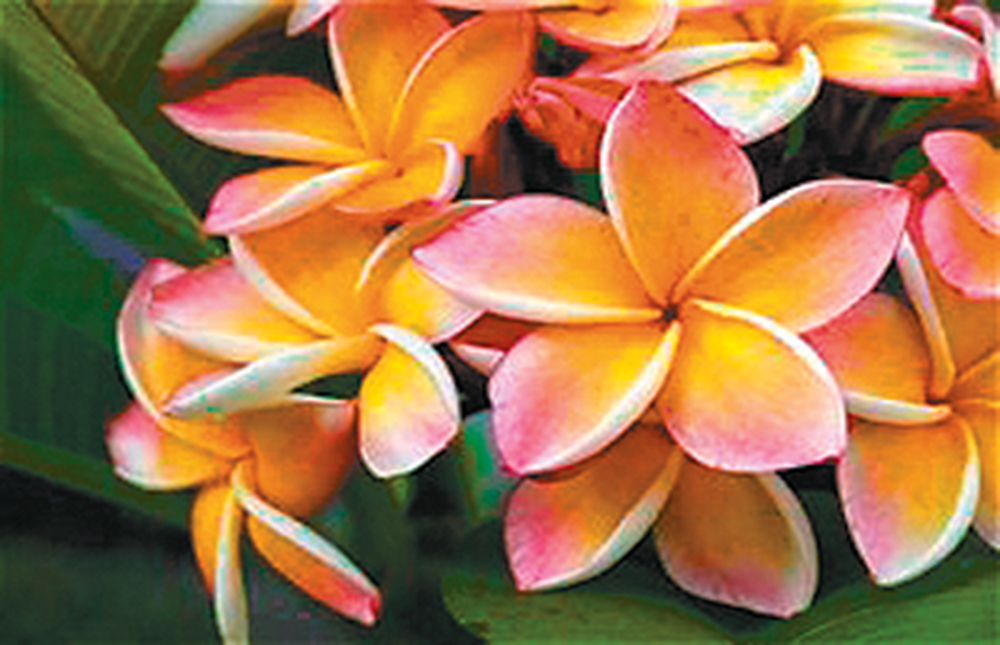
Ornamentals also follow a similar pattern. Native and Florida friendly plants — firebush, porterweed, coontie, muhly grass, blanketflower and dune sunflower — remain vibrant while more delicate ornamentals wilt. August rewards those gardeners who choose plants adapted to the region’s rhythms. Many tropicals, like hibiscus, plumeria and bougainvillea, flourish in the heat, producing vivid blooms that are vibrant in the afternoon sun.
August can bring problems with watering which becomes both an art and a discipline in this hot hot month. As we all know, our thunderstorms can be deceptive; they may drench one neighborhood and skip the next entirely. Deep, infrequent watering in the morning helps plants develop stronger roots and reduces fungal issues. Overwatering is just as dangerous as underwatering.
Finally, August gardening teaches patience. It’s not the month for ambitious projects or marathon planting days. Instead, it’s a time for reflection, maintenance, observation and preparing for the explosion of growth that arrives with September and October. In the brutal beauty produced by Southwest Florida’s August heat, the garden reminds you that thriving here is about flexibility, adaptation, timing and choosing plants that welcome the sun rather than endure it.
Remember– go native or at least make wise choices of Southwest Florida friendly plants that have evolved to suit this climate!
Sylvia Swartz is president of the Garden Club of Cape Coral. Visit gardenclubofcapecoral.com. Like us on Facebook and Instagram.