

Garden Club of Cape Coral | Making black gold in Southwest Florida
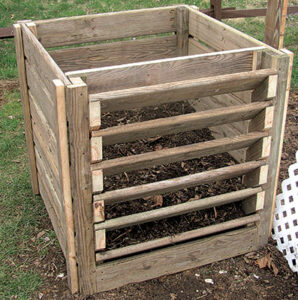
No — I haven’t suddenly discovered a pie in the sky get rich idea — I’m talking about composting – nature’s other “black” gold. Composting is an effective way to reduce household waste while creating nutrient-rich soil for our gardens. Thanks to Florida’s warm and humid climate, organic materials break down quickly, making it an ideal environment for composting year-round. Our gardens can really profit from composting to improve our local very poor sandy soil — with the added benefit of reducing landfill waste and promoting sustainable living.
What is composting you might ask? It’s the natural process of recycling organic matter — like food scraps, yard waste and paper — into a valuable soil amendment, compost. This process is driven by microorganisms, insects and worms that break down materials into humus, a dark, crumbly substance rich in nutrients, otherwise known as dirt!
The basic ingredients of compost are:
• Greens: Nitrogen-rich materials like vegetable scraps and peelings, coffee grounds, fruit peels and grass clippings. Banana peel is particularly good to compost.
• Browns: Carbon-rich materials such as dried leaves, newspaper, cardboard and twigs.
A good compost pile should maintain a balance between greens and browns, ideally at a 1:2 ratio to promote healthy decomposition.
So how do we get started?
In this area, the following composting methods are well-suited for the climate:
1. Backyard composting: Make a simple compost bin or pile in your backyard. Site it, if you can, in a well-drained, partially shaded location to prevent overheating and drying out. Be considerate of your neighbors and don’t put it against a fence.
2. Tumbler composting: A rotating drum-style composter is ideal for faster results and pest control. Tumblers are also easier to manage in our city location.
3. Vermicomposting: This method uses red wiggler worms in a bin to compost food waste. It’s perfect for apartments or homes with limited outdoor space but is a little more labor intensive.
4. Trench or pit composting: Bury food scraps directly into garden beds. This low-maintenance method works well in our sandy soil and requires no bin and no monitoring.
A wide variety of maters can be composted:
• Kitchen scraps: Vegetable peels, fruit rinds, coffee grounds, tea bags (minus staples).
• Yard waste: Leaves, grass clippings (in moderation), palm leaves, small branches and pine needles.
• Paper products: Shredded newspaper, cut-up cardboard (non-glossy) and paper towels.
Don’t compost meat, dairy, greasy foods and pet waste, as they can attract pests and create nasty smells. Turn the pile every one to two weeks to supply oxygen and speed up decomposition. Compost should be damp but in rainy season, cover the pile with a tarp to prevent waterlogging. In dry season, you may need to water the pile occasionally. The heat can accelerate composting, but piles can also dry out quickly. Shade and moisture control are key.
Remember that our days and nights are always warm, and hot weather attracts pests like raccoons, rodents and flies.
To deter them:
• Bury food scraps beneath browns.
• Use enclosed bins or tumblers.
• Never add meat, dairy, or oily foods.
Compost is ready when it’s dark, crumbly and smells earthy. Depending on the method and materials used, this may take anywhere from two to six months.
When it’s ready, you can use your black gold to:
• Enrich garden beds.
• Top dress lawns.
• Feed potted plants.
• Improve our sandy soil structure.
One caution — be mindful of HOA rules or local ordinances related to compost bins and backyard composting.
Composting is a simple, rewarding practice that turns waste into wealth for your gardens. With the right balance of ingredients, moisture and airflow, you can produce rich, fertile compost all year long in our hot, humid conditions. Whether you’re a beginner or a seasoned gardener, composting is an easy way to improve your gardens and build healthier soil. It’s easier to do than you think and will really help your yard.
Happy composting!
—
The Garden Club of Cape Coral resumes regular meetings, after our summer break, at the Episcopal Church on Del Prado Blvd., on Sept. 9 at 5:45 p.m. Watch for details of our new event this year – a Holiday Bazaar selling handcrafted seasonal gifts and decorations for your home on Saturday, Nov. 15, at the Museum of History, 544 Cultural Park Blvd.
Sylvia Swartz is president of the Garden Club of Cape Coral.
To reach SYLVIA SWARTZ, please email news@breezenewspapers.com