

Guest Commentary | Warehousing souls
Every community in Florida has a stake in what happens behind prison walls. Beneath our debates about punishment and public safety lies a fundamental question: What do we believe a person is still capable of becoming?
When I hear those debates, I remember the sound of a streetlight shattering. I was 13, holding an air rifle in shaking hands.
My uncle Sam loved what a good shot I was with that air rifle. I didn’t want to be there, but Sam didn’t really give me a choice.
I was a kid from Modesto, California, trying to reconnect with my estranged father in Butte, Montana. I lived in Butte during eighth grade and again during 10th grade. In the intervening years, I lived in California with my mom and stepdad.
My job was to watch for police while Sam stole from a warehouse or an unoccupied building. If they appeared, I was supposed to shoot out a streetlight. It was our signal.
Sam had done hard time in maximum security cells at Folsom and San Quentin. Before that, he ran with an outlaw motorcycle gang in the 1980s. Sam taught me most of what I knew about prison life, especially why to avoid it. Even as a kid, I could see that prison had not taught him how to live differently. From what he told me, it had taught him how to become a better criminal.
He used to joke that prison was where he “upped his game,” learning better burglary techniques between reading Louis L’Amour’s Western novels.
My uncle Karl lived another version of that cycle. Trapped in an endless loop of drug charges, he was in and out of jail my entire childhood. Visiting an aunt before I left for Marine Corps basic training, I found Karl and another man hiding behind her couch after escaping local custody, apparently to get high.
The contrast became undeniable when I joined the U.S. Marine Corps. Standing on the parade deck at Marine Corps Recruit Depot San Diego in 1995, I experienced intentional character development for the first time.
I encountered discipline, responsibility, and people who expected me to become someone capable of serving others. I wish Sam and Karl had encountered more of that investment in their lives.
The lesson was not that prison should resemble boot camp. It was that accountability could come with an expectation that I was capable of becoming someone better.
Sam was responsible for putting a rifle in a child’s hands and drawing him into crime. Recognizing his humanity does not erase that responsibility. It makes me ask what might have helped him stop harming others.
In Matthew 25:36, Jesus says, “I was in prison, and ye came unto me.” He places the prisoner within the reach of Christian love. He gives us no permission to make people disappear from our moral concern once they disappear behind a wall.
A sentence can impose punishment without teaching a person how to take responsibility for the harm they caused. The questions cannot end with what law was broken, who broke it, and what punishment they deserve. We must also ask: Who was hurt? What do they need? What would it take to repair the harm?
Restorative justice places those questions at the center. At its best, it asks the person who caused harm to acknowledge what they did, understand its impact, and take meaningful steps toward repair. That is not an escape from accountability. It is accountability that demands more than serving time.
None of this means asking victims to forgive or participate against their wishes. Their safety, needs, and choices must matter in any effort to repair harm.
As Danielle Sered writes in Until We Reckon, “We will not work our way out of violence if we continue to believe that solving violence is about managing monsters. Nor will we do it if we continue to believe that punishment is an adequate substitute for healing.”
Florida communities must ask whether our local and state institutions reflect that concern for accountability and healing. Are we investing in treatment, education, mentorship, and purposeful work? Are our churches prepared to receive the people we pray for when they come home?
Real reform requires more than administrative scaffolding or policy tweaks. It requires relational accountability and a community willing to participate in restoration. It requires us to stop treating incarcerated people as disposable inventory and start investing in them as neighbors, sons, and brothers.
I was once the child standing outside with the air rifle. What happens in the warehouses of souls we call prisons does not stay behind their walls.
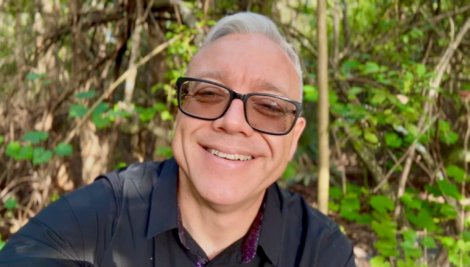
Chris Surber, D.Min. D.D., is the pastor of First Congregational Church of Naples.