

Seven Islands development agreement approved
Gulf Gateway Resort & Marina Village to be ‘unique destination gateway for Cape Coral’
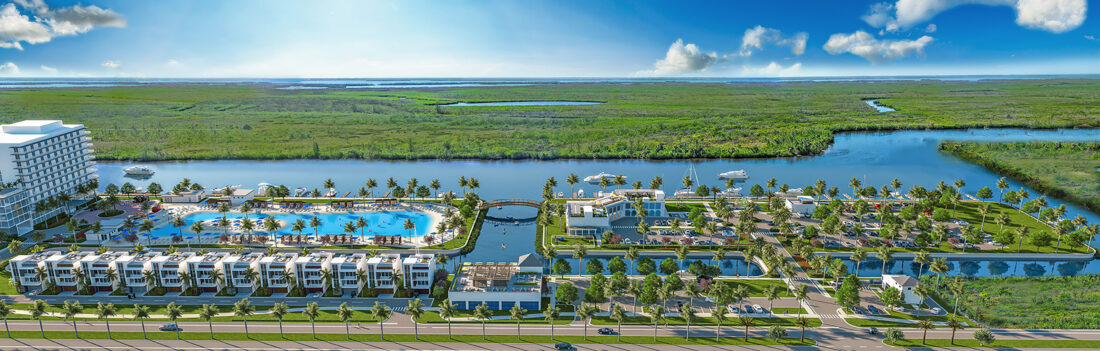
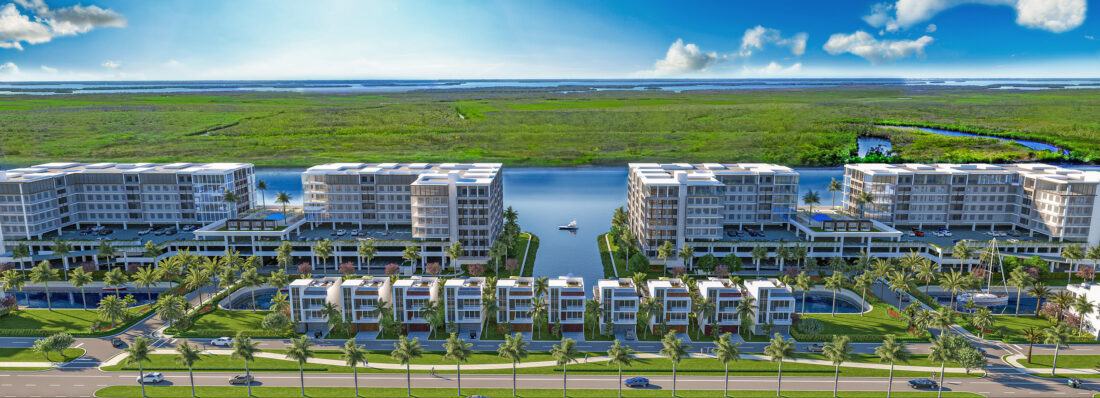
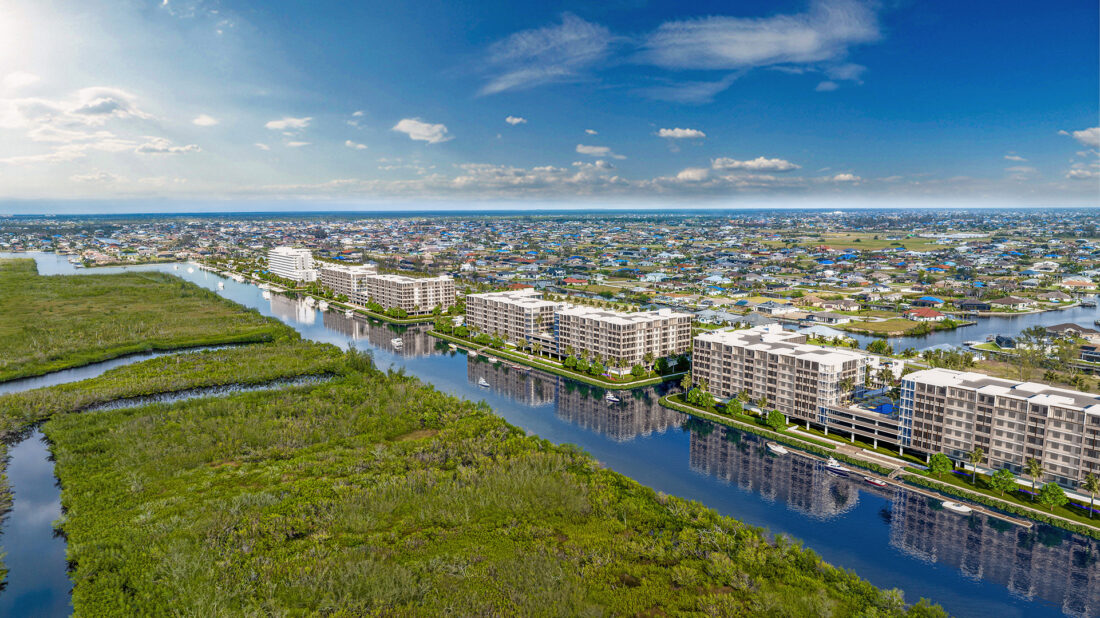
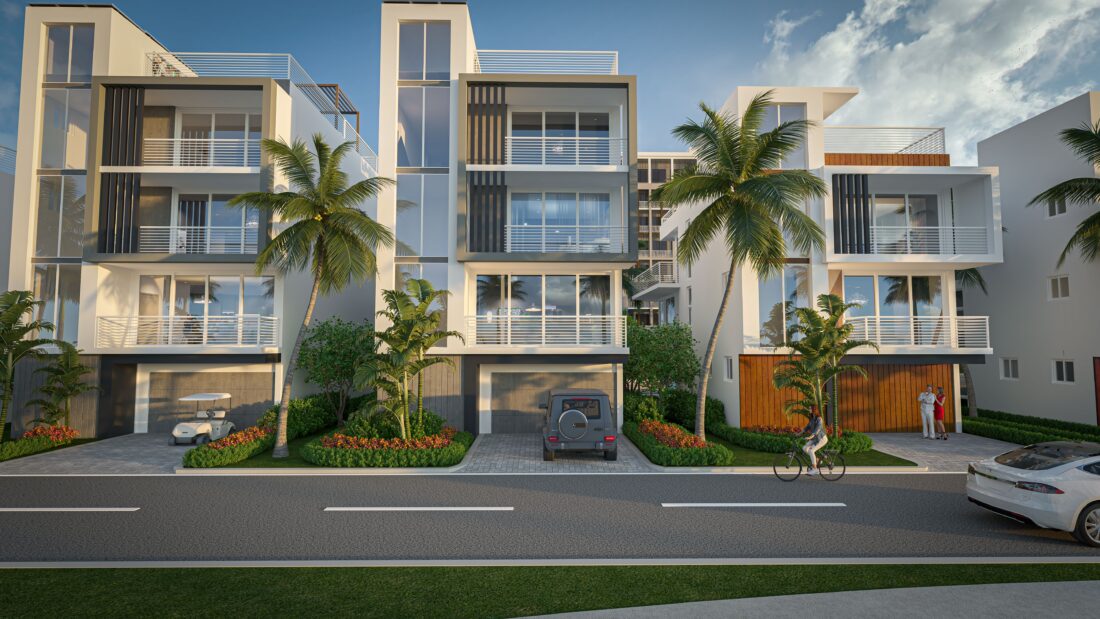
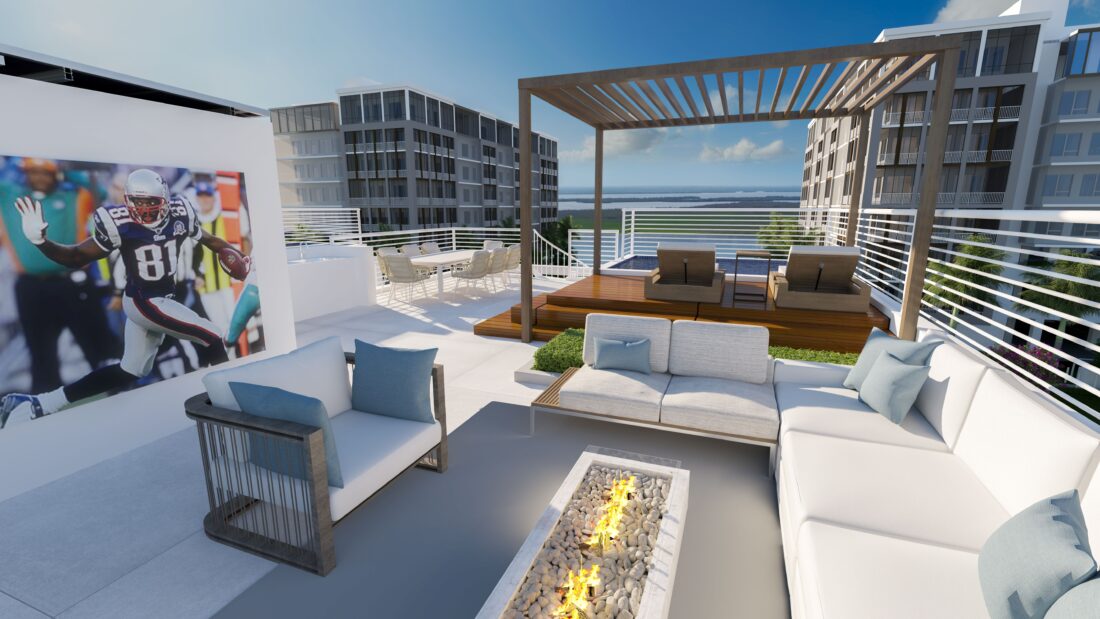
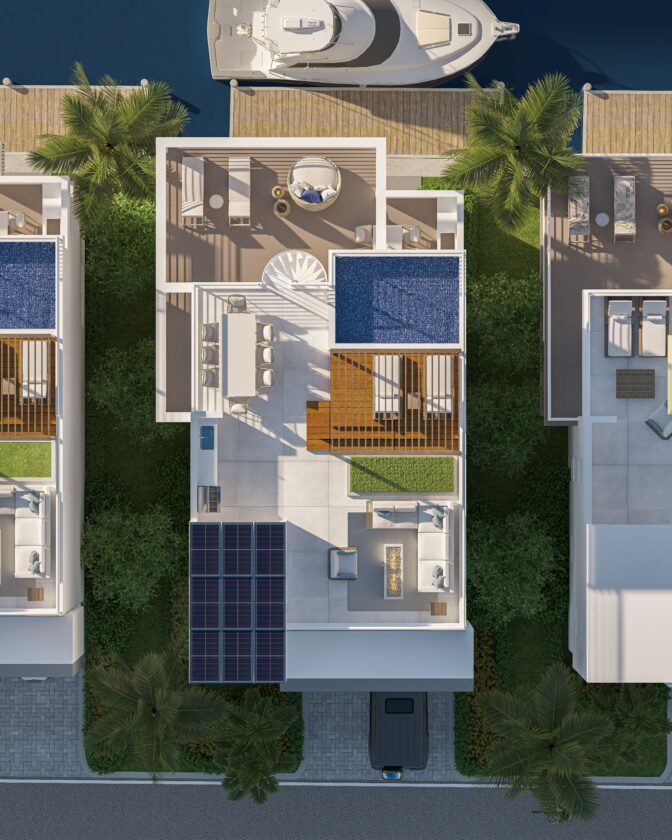
The Seven Islands development agreement, the precursor to the sale and purchase of the 47-acre site has been approved.
Cape Coral City Council approved the agreement between the city and Gulf Gateway Resort & Marina, LLC. Wednesday.
Councilmember Rachel Kaduk was not present during the vote.
City Economic Development Manager Sharon Woodberry said the project is the result of community engagement that has taken place over an extended amount of time concerning what residents wanted to see. She said the Cape Coral Northwest Neighbor Association was very engaged throughout the process of deciding what type of development would be appropriate for the site off Old Burnt Store Road.
Forest Development Managing Partner Peter Baytarian said their project, Gulf Gateway Resort & Marina Village, will be a unique destination gateway for Cape Coral.
“It will feature condominiums, apartments, hotel, marina, resort lagoon, restaurants, retail, an entire island to include a community center, restaurants on the water with eating – splash pad, kayak launch, outdoor spaces and hip food truck park,” he said, adding they will continue to work with the city of Cape Coral, and their neighbors to create this amazing resort destination that will enhance the area and provide amenities for residents and visitors.
“We are super excited to get going on the project and start the infrastructure work. One of the first things we are going to do is the Community Center island, so our residents have a place to gather and amenities to enjoy,” he said, adding that people out of the area can enjoy it as well.
The final public hearing had a handful of residents who spoke both in favor or against the project.
Northwest Cape Coral Neighborhood Association Past President Jerry Smith said he served on the Seven Islands Design Plan Committee meetings.
“We were part of that 40-person super group of stakeholders that was put together,” he said.
Smith said there was open communication with the developers which resulted in common ground for collaboration and good relationships.
“The developers continued to respond to members by sponsoring social events and renderings for all of us to see,” he said.
This provided the first visual of the project and full transparency and disclosure, which he said the group thought was very important.
“There was a sense of place and quality of life destination that was portrayed in the vision plan that was published in 2016.”
The current president of the association, Kevin Black, said they conducted a survey among their members to engage with the membership and seek what concerns them the most.
“The Seven Islands project didn’t even come up as a primary concern,” he said of the 300 respondents. “Our membership has been exposed to Seven Islands. Seven Islands is the No. 1 hit on our website month after month. They are going there for information to stay on top of the project.”
Black said they believe the marina is going to be a hub in the northwest, along with the ability to ride a bike, golf cart and boat to go see neighbors, hang out with the dog at the dog park or go and see entertainment in the amphitheater.
“The northwest is going to be a great place to live,” he said. “We look forward to see it come to fruition.”
Others spoke against the project.
Michael Hannon, member of the Matlacha Civic Association, brought up concerns about the impact he said the project will have on their waterways, as boaters using the facility will be going into the Matlacha Pass. He said there will be opposition for every permit pulled for the project.
A Cape Coral resident said the plan is way too large for the size of the canal, as it is too narrow to handle the boat traffic now. He maintained that a builder who is going to spread out the project over 30 years is scared of the economics of the project.
“It’s a massive overbuild,” he said. “I see so many problems with it that I am stunned it got this far.”
After the public input ended, many council members shared why they were in favor of the project.
“I think this project is a perfect example of a neighborhood group, the city, and the developer working hand-in hand over a long period of time,” Councilmember Joe Kilraine said. “A lot of input and the right way to do a project. I fully support the project. I think it is a great model of how we can do projects in the future.”
Sam Bower, speaking on behalf of Forest Development, said the process spans over a decade with the concept plan developed through extensive public outreach and numerous publicly advertised hearings.
“We included our neighbors and wanted to thank them for their time, participation and their invaluable input. Our development plan not only addressed the needs of direct neighbors, but it also considers and encompasses the greater city as a whole,” he said.
Bower also addressed environmental points.
“We have conducted numerous extensive on-land and in-water studies related to intended development,” he said, adding that they dramatically reduced the impact on mangroves and maintain wildlife habitats because it was the right thing to do.
He said they applied for permits in May 2023 and are near completion.
The traffic and infrastructure were also addressed.
“The introduction of previous unavailable commercial space is containing shopping and dining opportunities actually has a reduction on traffic because you don’t have to travel across the city to go and get something to eat or shop,” Bower said. “Our plan was to develop as an extension of the existing community and encourages a variety of alternative modes of transportation, such as golf carts, biking, arrival by boat, or walking.”
The buildings will be construction-hardened to withstand the most powerful storms that the city has ever experienced.
“The hotel could potentially serve as an emergency operation center and temporary housing for displaced citizens in the event of a storm,” Bower said.
He also addressed the positive economic impacts of the project, which include significantly increased property values and millions of recurring tax dollars in perpetuity.
The timing of the project was also shared.
“Real estate goes in cycles. We would be perfectly happy with selling out the entire project tomorrow and moving forward,” Bower said. “We will do whatever is marketly and economically feasible to move through the project as quickly as possible.”
He said just because the timeline is laid out it does not mean they are looking to extend it any further than they have to.
“It is in our best interest to complete as quickly as possible and bring it to the market,” Bower said.
City Manager Michael Ilczyszyn said the development agreement is an example of utilizing a vision plan, which brings success with project delivery. He said the vision began in 2015, 11 years ago, when council said they need to figure out what to do with Seven Islands, part of a multi-parcel, multi-million foreclosure-sale land buy in 2012.
From Nov. 4-6, 2015, there was a three-day event with the community that involved the Northwest Neighborhood Association, and multiple business owners. On Nov. 14 there was acceptance.
“Over a year of work went into developing this vision plan of what the Seven Islands could do,” Ilczyszyn said. “Since that time staff moved forward with that vision plan seeking developers to bring forward what we saw the ultimate vision in northwest Cape.”
Since there have been small tweaks in the vision plan. He said the original plan had a full-scale marina that would involved some permitting challenges.
“We worked with the developer to revision, recast how a marina might work in this area,” Ilczyszyn said, adding that an alternative seawall was designed.
He said the development agreement, 11 years in the making, is a shining example of a vision plan and how getting the community involved in the plan carries all the way through to the development.