

SANIBEL OVERVIEW | Island officials: Time to prepare for storm season is now
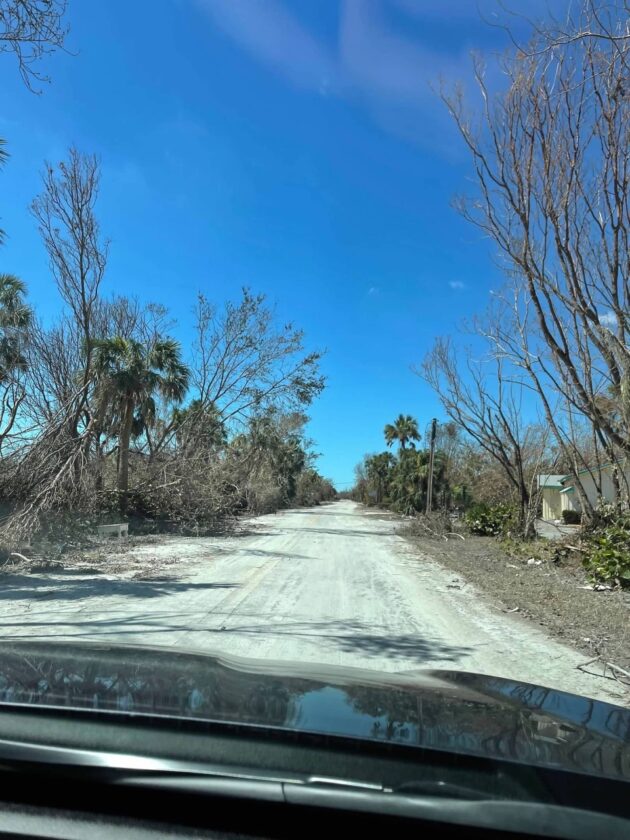
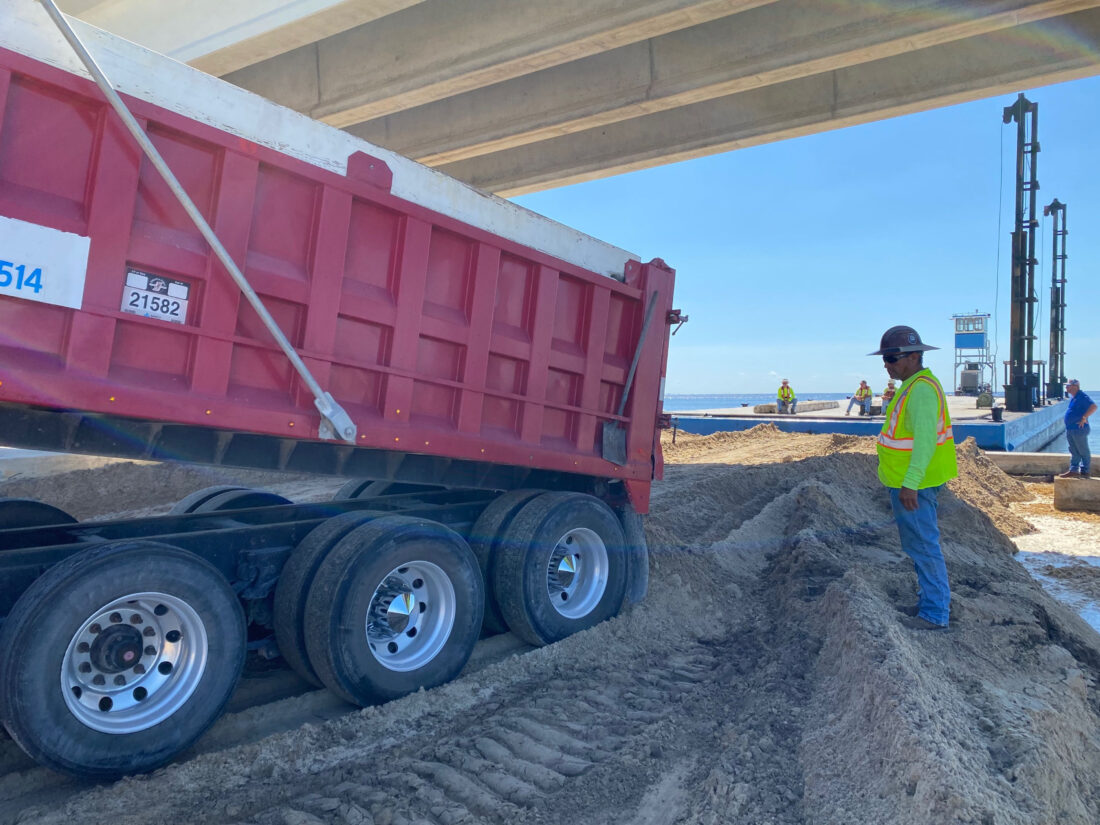
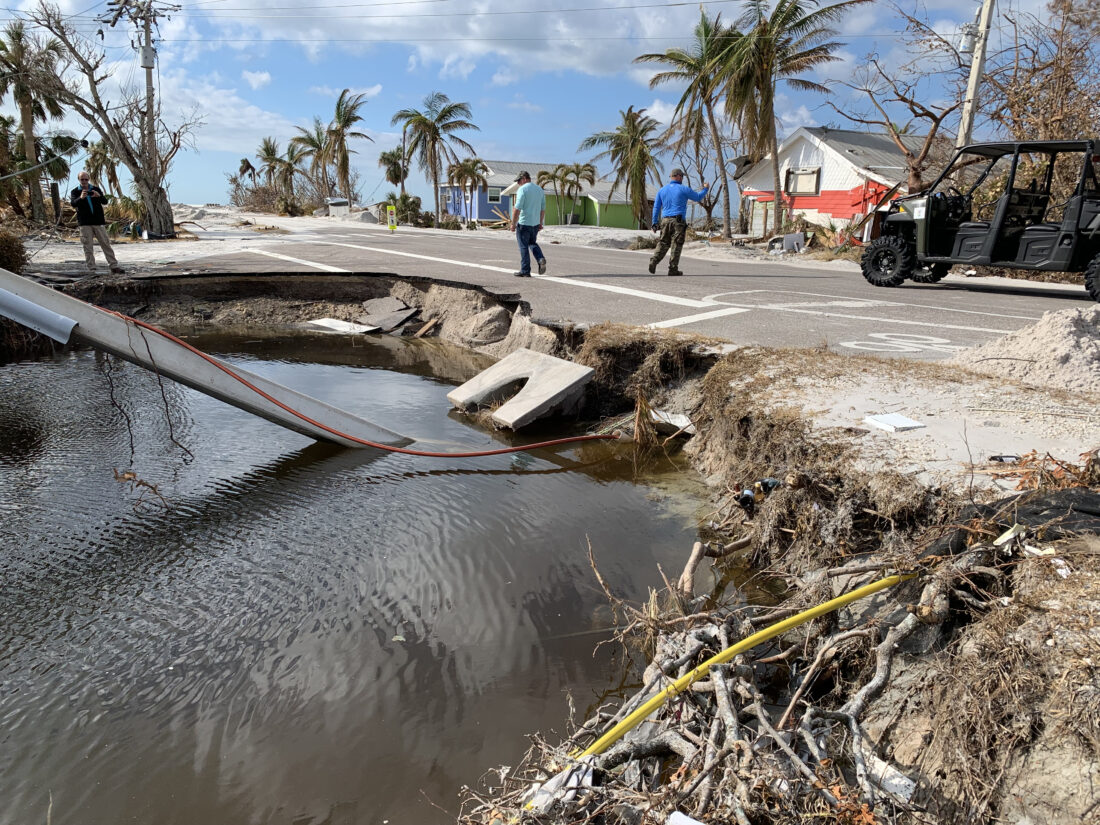
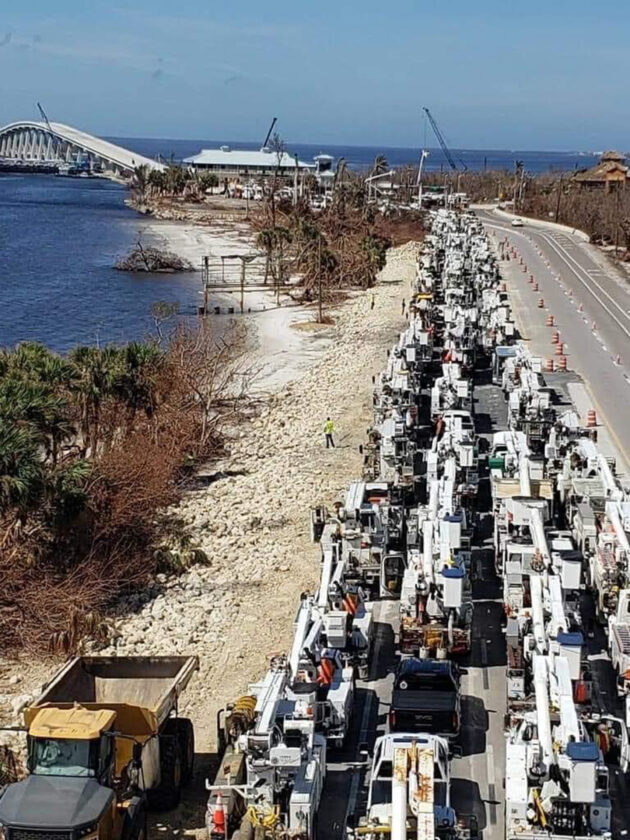
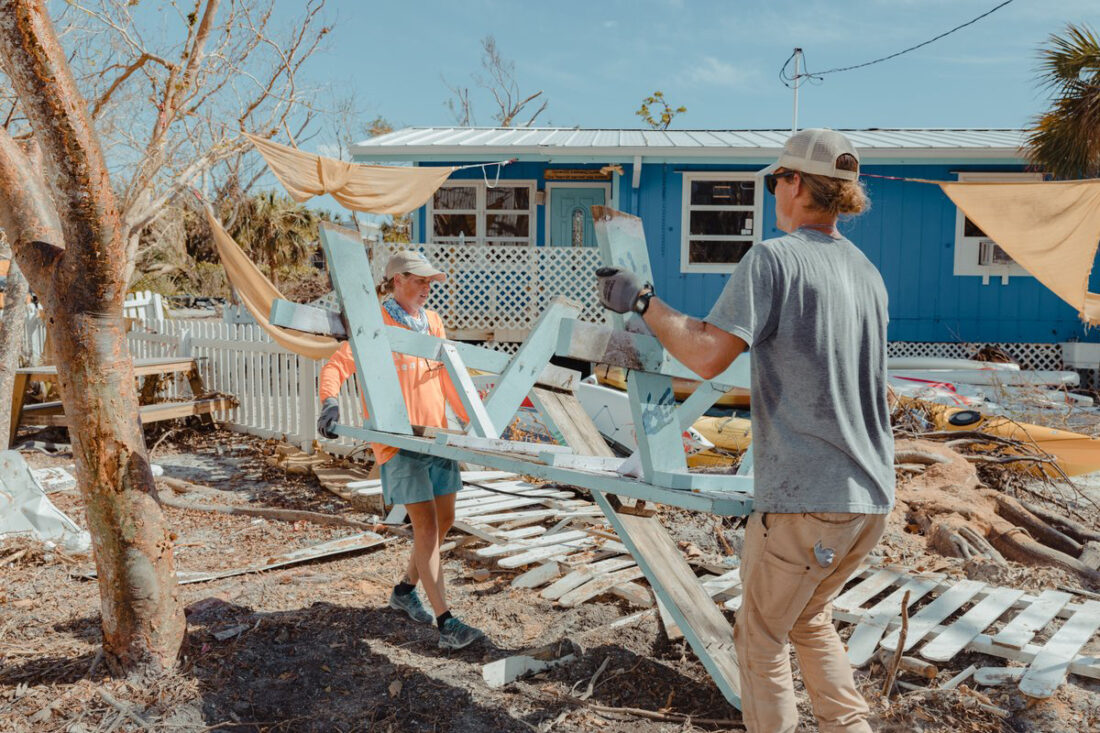
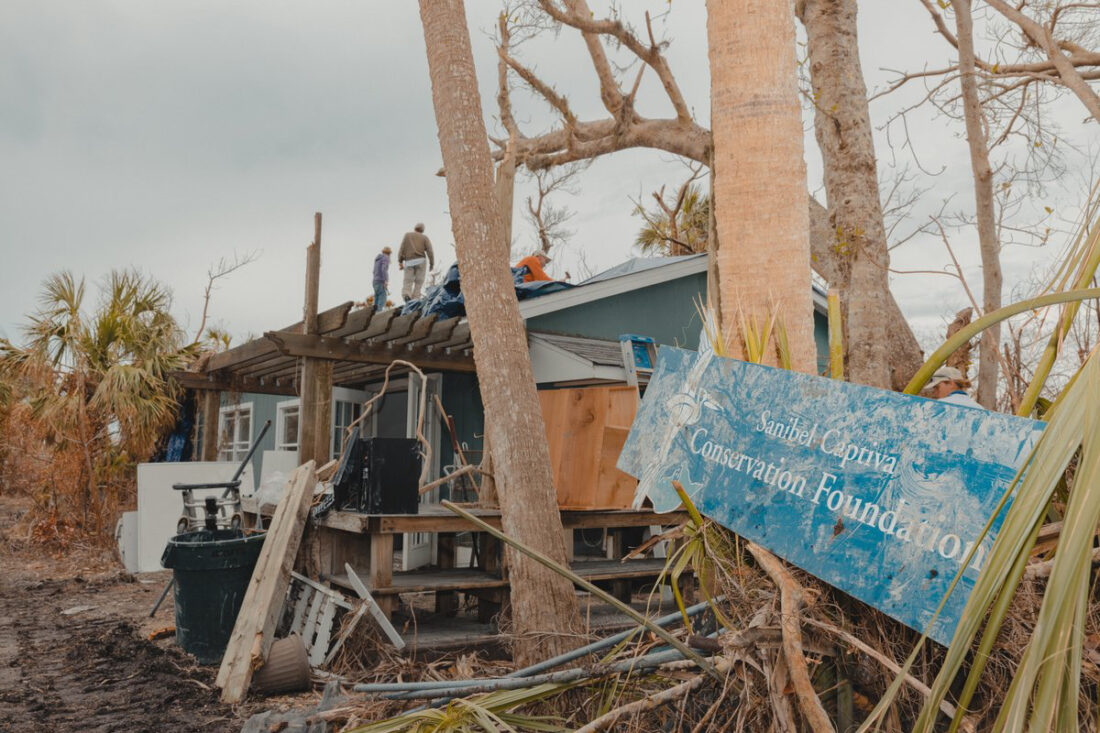
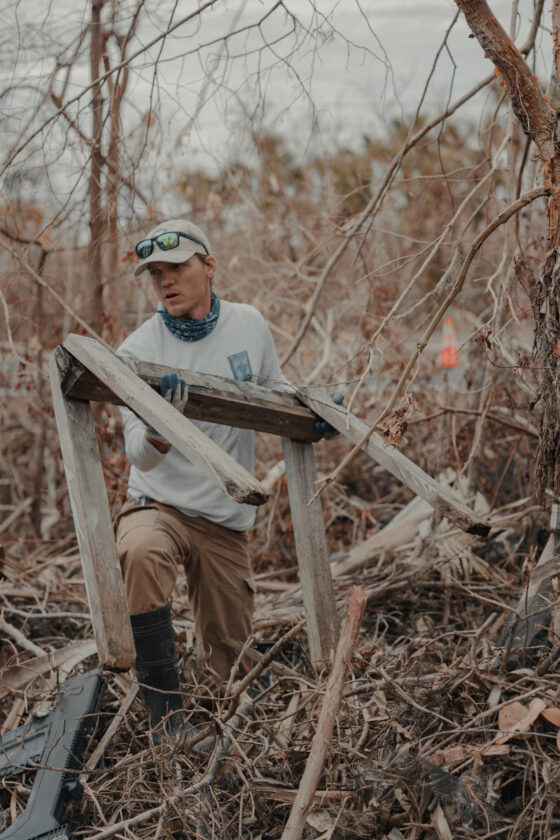
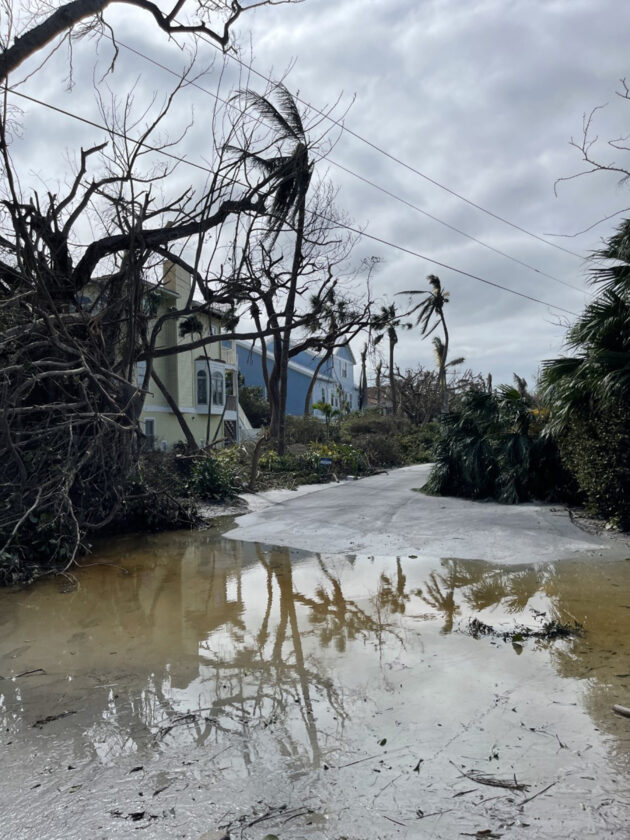
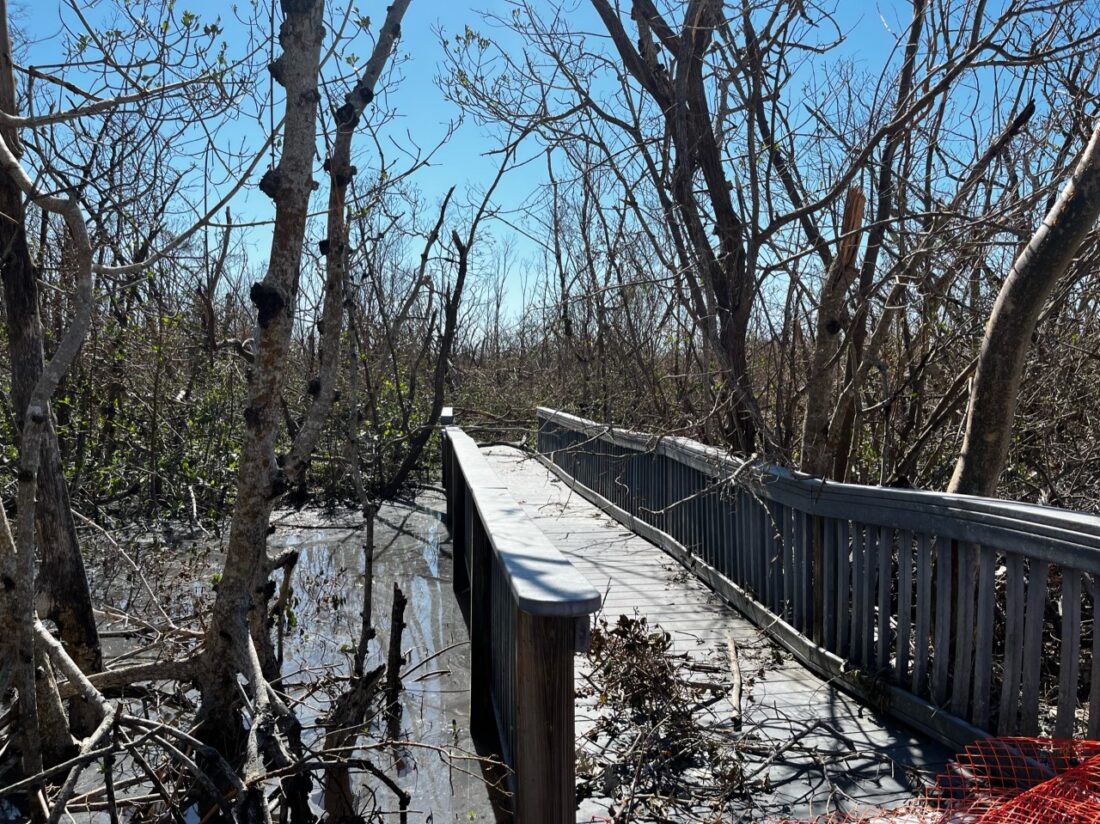
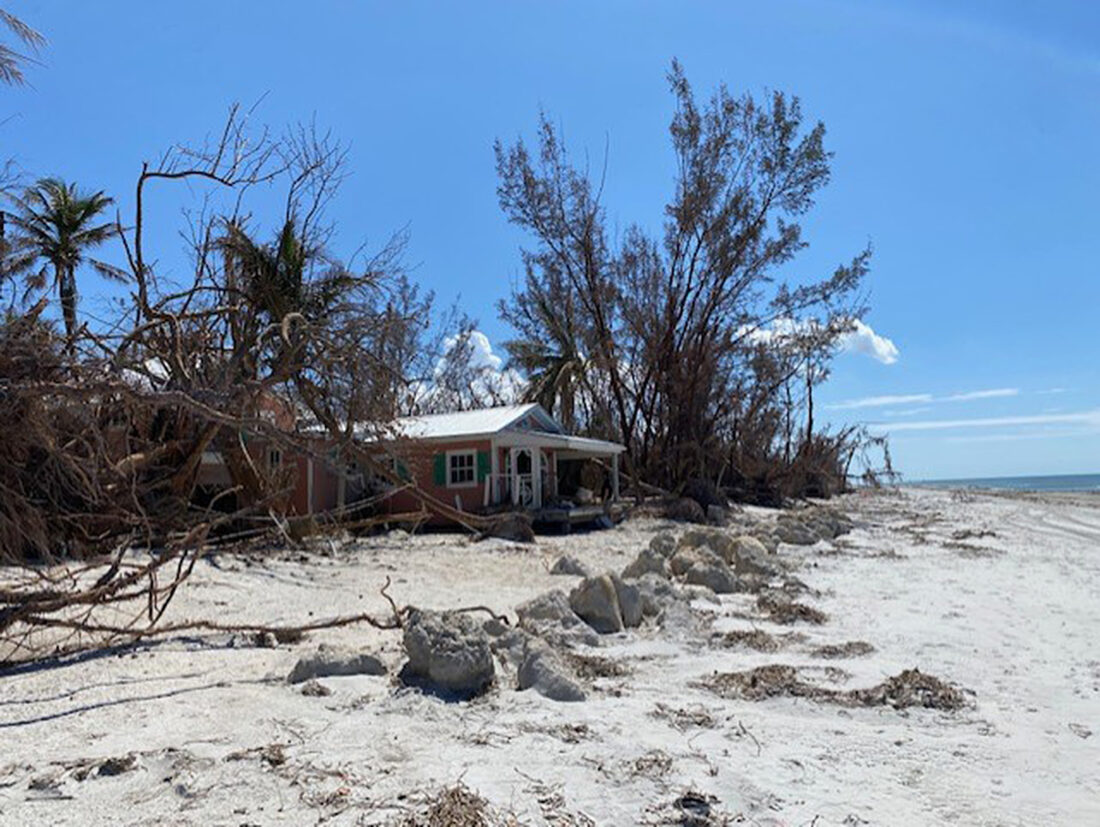
With hurricane season once again approaching, island officials are advising the community to prepare early and to have a plan to evacuate because it only takes one storm — as learned in recent years.
“Preparing for hurricane season isn’t something you do when a storm is coming. It’s something you do before season starts,” Sanibel Fire and Rescue District Deputy Fire Chief John DiMaria said. “Being prepared buys you time, and in an emergency, time is everything.”
“We don’t really get the luxury of waiting and seeing with hurricanes — the risks hit fast and hit hard,” Captiva Island Fire Control District Fire Chief Jeff Pawul said. “On a barrier island, preparation isn’t overkill. It’s what makes the difference between a manageable disruption and a serious disaster.”
“Preparing saves lives,” Sanibel Police Department Police Chief William Dalton said. “When a storm is bearing down on you, there’s just too much to do to have your preparations done on time. Prepare now, so you can focus instead at that time.”
As for advance preparations for season, now is the time to create a plan, including if and when you will evacuate, where you will go and what you will take with you. Share your plan with family or friends.
“Planning for both staying and leaving is important,” DiMaria said. “However, as learned with Hurricane Ian, nothing is worth staying for.”
Those who need help creating a plan can call FISH of Sanibel-Captiva for assistance.
Learn if you are in a flood zone or an evacuation zone and learn what your evacuation routes are.
Update your hurricane kit or build one if you do not already have one.
“Don’t wait until the shelves are empty in the store,” DiMaria said. “Prepare your kits now.”
Recommended items for it include: A gallon of water per person per day for a minimum of three to seven days; nonperishable food items; flashlights, batteries and portable phone chargers; a first aid kit and any needed prescriptions; important documents stored in a waterproof container, like ID, Social Security card, marriage certificate, medical records and insurance information; and cash, in case the power is out and ATMs are not working. Pet owners should also include pet supplies.
People can prepare their home in advance by inspecting shutters and making sure they have all of the equipment and tools. Check roofs and gutters. Trim trees and limbs and remove any loose items.
“Anything on the lower floors that you don’t want to end up in your neighborhood’s yard or end up damaged, make sure to protect those,” he said. “Know how to shut off your utilities if needed.”
Those with lithium battery-powered devices, such as electric vehicles, golf carts and bicycles, should have a plan to remove those from the island or to park them away from structures to prevent a fire.
“We saw in Hurricane Ian what they can do, especially when infiltrated with seawater,” DiMaria said.
Another advance preparation is to sign up for alerts from the city of Sanibel and Lee County, like AlertLee, and follow their social media pages, along with those of island emergency agencies.
“Use those trusted sources out there,” he said. “There is a lot of misinformation on social media.”
When season arrives and a storm is forecasted for the area, preparation should shift from planning to action. The two to three days before its arrival should be focused on any last-minute preparations.
“Whatever plans you have, be ready to put them in place,” Pawul said.
Do not wait for a mandatory evacuation — a lesson learned from Hurricane Helene.
“We saw how much damage and hazards occurred from the storm surge alone,” he said. “As a barrier island, we’re likely to have impacts, even if it’s not a direct hit.”
Ensure vehicles are fueled, refill any prescriptions, and charge important electronic devices.
“Make sure furniture is brought inside or put in the garage. Make final preparations for the house,” Pawul said. “Get any remaining supplies that you have not gotten.”
Two to three days out, pay attention to your resources.
“You’re going to want to start monitoring those official reports and sources,” he said, suggesting one national and one local news source. “The local ones are really going to drill down to our area.”
Everything home-wise should be done at this point.
“You should be putting your plan in place and starting that evacuation,” Pawul said, noting that people do not need to leave the state. “You just need to get away from the coast and out of harm’s way — away from the storm surge.”
If an evacuation is ordered, leave immediately. Delaying puts you and emergency responders as risk.
In the last 24 hours when the storm is imminent, make sure generators are good to go. Lithium battery-powered devices remaining on the island should be moved out of garages and away from structures.
Continue to monitor resources as the storm passes.
“If we’re expecting to get impacts from a storm, you really should not be planning to shelter in place. It’s not your best bet,” he said. “We don’t plan on doing that. You shouldn’t be doing that either.”
For those who still choose not to leave, stay inside and shelter in place. Stay away from windows and move to interior rooms if conditions worsen. Let island first responders know that you plan to stay.
Once the threat of the storm passes, first responders will arrive first in the case of an evacuation.
“Initial reentry will made by police, fire and public works,” Dalton said.
They will focus on the safety of citizens, public property and clearing of roads, while assessing how safe the conditions are for people to return. Recovery of services, like power and water, are next.
“The damage that the storm causes will determine if it’s an islandwide reopening or if it’s reopened by zone,” he said, adding that the zones are broken up from east to west through Sanibel to Captiva. “Captiva needs to come through Sanibel, so they also need hurricane passes.”
Residents will be allowed first, followed by business owners.
People should secure their hurricane pass or hangtag now to show at the tollbooth.
“It’s an easy way for officers at the checkpoint to identify residents and business owners,” Dalton said.
The 2024 passes will be reused for the 2026 season.
People can also gain entry with a driver’s license with an island address.
Upon returning home, check for any major damage that may need to be reported to insurance.
“Folks should do an initial assessment of their house and make sure everything is OK,” he said.
Use good common sense and safety measures when cleaning up.
“There always winds up being a little uptick in injuries after a storm,” Dalton said. “Only do things that you’re comfortable with. If somebody doesn’t use a chainsaw on a regular basis, it wouldn’t be smart to start using one.”
Unless a neighbor or friend asks, do not go on to someone else’s property.
“Stay on your own property,” he said.
Be careful of downed power lines. If you see one, avoid it and call the Sanibel Police Department.
“We’ll come out and check it out and we will contact LCEC,” Dalton said.
If using a generator, keep it at least 20 feet away from all structures.
“Don’t use them indoors,” he said. “You have to make sure they’re outside.”
Ensure no dry flammable vegetation is nearby.
“And always be careful when you’re refueling the generator,” Dalton said.
For more information, visit the city of Sanibel at mysanibel.com.