

CAPE OVERVIEW | Official’s advice: Guard against complacency
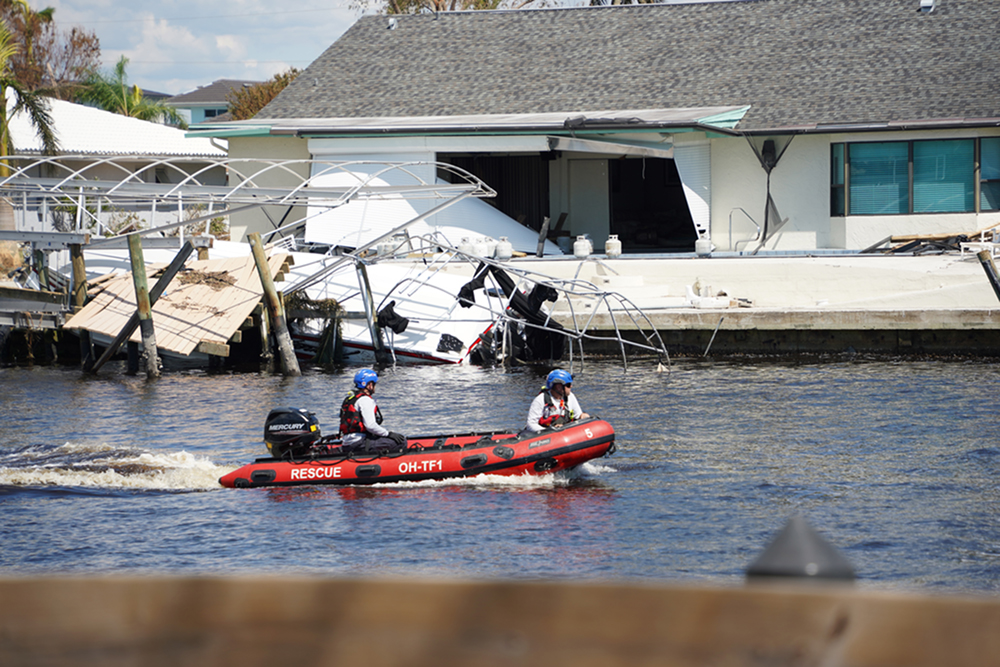
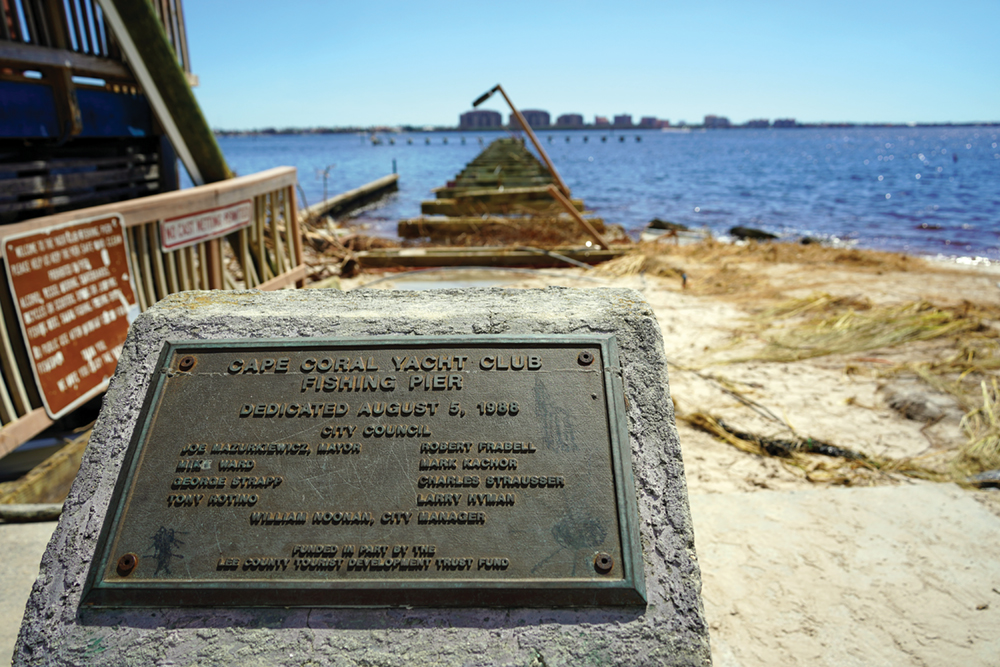
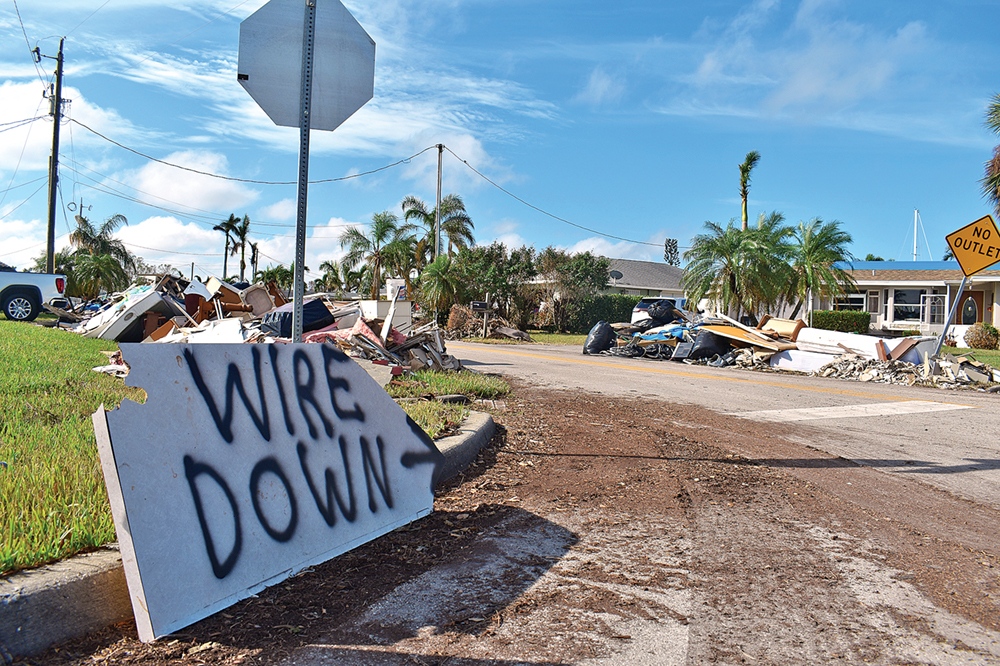
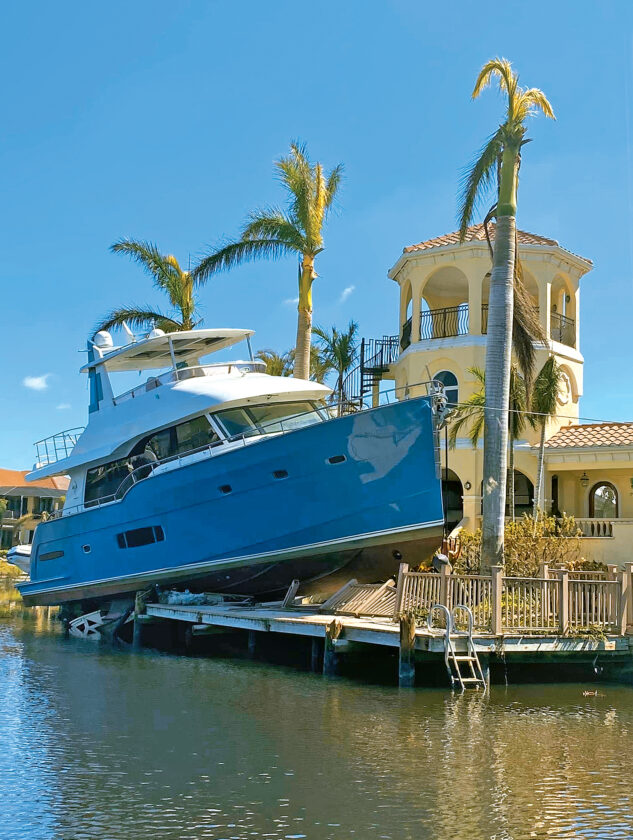
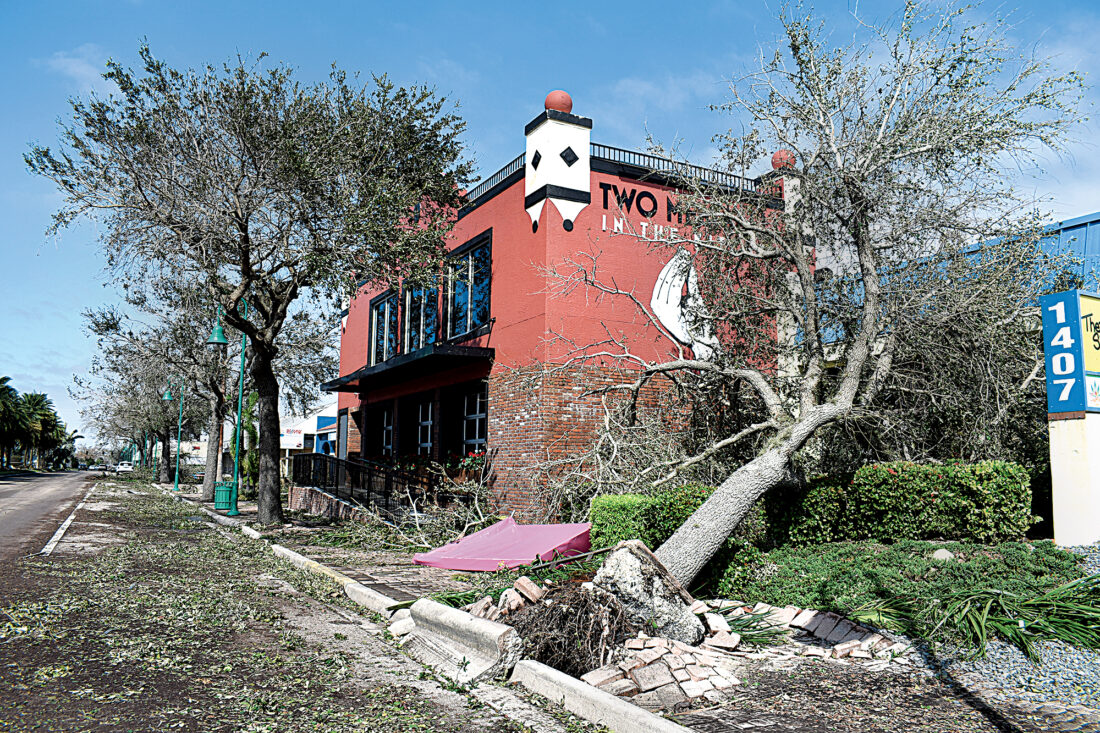
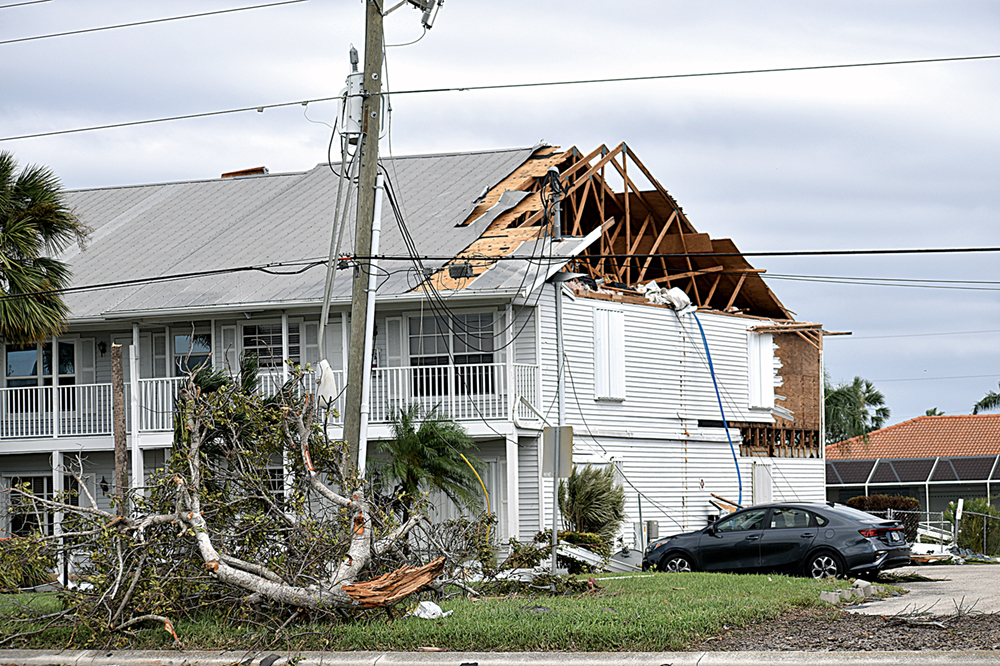
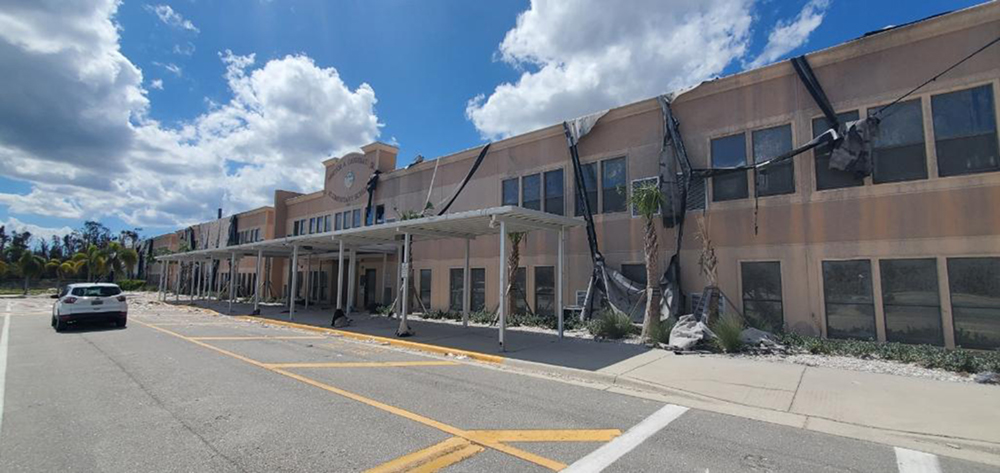
The city of Cape Coral and its Emergency Management Division are again ready to take on whatever challenges may come during this hurricane season.
This year, the major message from the city and Director of Emergency Management and Resilience Ryan Lamb is for residents to not get complacent despite a few quiet years.
“Last year was an anomaly,” Lamb said. “It was the first time in I think 15 years that there hadn’t been a major hurricane strike the United States. That, coupled with what’s forecast to be a slower year in the projections, we want to make sure that we don’t get a sense of complacency.”
Lamb said it only takes one storm to make all the difference in the world, even pointing to the year Hurricane Andrew struck, which came in a season that was projected to be slow.
“Yes, it’s been four years since Hurricane Ian, but we don’t want to get caught flat footed or logged into a sense of false security that it’s been quiet last year or it’s supposed to be a slower year coming up this year,” he said. “We don’t want to get caught that sense of, ‘nothing’s gonna happen.'”
While the city does its part to be prepared, residents should also do the same.
Lamb advised residents to create a 72-hour kit with a crank weather radio, flashlights, batteries, medications, stocking up on non-perishable food, having water for both drinking and for other uses.
“Regardless if it’s a hurricane, tornado, flood, or any of the other disasters or threats the city is potentially at risk of, we’d recommend that everybody be prepared to have a 72-hour kit that they can take care of themselves for that 72-hour period,” Lamb said. “We’d recommend everybody stock up on things that are going to be able to sustain life for that period of time until we can get additional resources brought in.”
Lamb added items such as a crank weather radio could be a great resource if cell and satellite service is disabled. For food, he said something as simple as hot sauce could help liven up a bland meal without the power of being able to use a stove or oven. If power outages are prolonged, having entertainment such as board games could be a valuable morale boost.
And of course, having power banks or portable chargers that are prepared prior to power going out can help prolong the ability to stay informed.
When it comes to those dependent on medication, especially those that are oxygen dependent or need refrigerated medication, Lamb said there are special needs shelters that can be signed up for through Lee County.
“As far as having medications, getting that in advance or having enough on hand so you don’t run out – talk to your physician about it if you need to get an earlier refill to make sure you’ve got a sufficient supply during that period of time,” he said. “Now’s the time to go and review those things because if we wait until a storm is knocking at our door, it’s going to be much harder to try and get into a good position, and get those medications prepared.”
Lamb has served a prominent first responder role in Cape Coral for nearly a decade and has experienced many devastating storms.
He said through each storm, the city has looked at what worked well, and what didn’t.
“As soon as we start seeing waves coming off the coast of Africa, we’ve got our folks paying attention to it,” he said. “We’re watching for any potential development. Out of season and continuously, we are working on creating new plans, new agreements, so that if we need to call on them, we can be very independent.
“We get on calls with the National Weather Service on a daily, sometimes twice-daily schedule, and with other partners across Southwest Florida and the state.”
The city is also in communication with the Florida Department of Emergency Management and will hold briefings with staff if an impending storm looks to be heading for impact.
There are four levels to the city’s Emergency Operations Center. Level Four is the baseline. Level Three is where staff are paying attention to a storm that may be forming. Level Two is where partial activation begins.
“We’re going to start bringing personnel in,” Lamb said. “We’re going to start doing storm prep. We have internal plans that cover everything from how we prepare a park, to City Hall, to financial policies. All of those things get reviewed.”
A full Level One activation is where all needed staff will come to the EOC – roughly 120 of them.
“We decide if we’re declaring a local state of emergency and all of those other pieces to be prepared to respond,” Lamb said. “If the impact comes, then we’ll be ready to get out and start the initial impact surveys and start our recovery process.”
Lamb said the city spends the offseason focusing on that when there is a threat, the city is ready to go.
“We have a playbook,” Lamb said. “At different intervals, what do we start to enact? We have a new communications plan that just was done for internal communication amongst employees and staff, but also externally to the public. We have one about partnering with our business community. If we can get a business back up and open and take some of the demands off of us to provide food and water out to individuals, if folks can go get that from a commercial source. Disaster and cost recovery — how are we shifting from the initial response phase to more of the recovery phase and maximizing reimbursements but also recognizing all of the different pieces of recovery. It’s not just providing city services; it’s partnering with some of those other essential services to make sure that they can get offered.”
There are other projects that have been in the works to assist with hurricane preparedness and recovery, Lamb said, such as a Cape Coral Parkway study, and a north Cape Coral draining basin being worked on.
Lamb said he has 17 projects for hazard mitigation ongoing, such as improving weirs, generators for list stations, and more.
“There’s a laundry list of projects – about $50 million in federal projects that we’re still actively going right now to get into place,” Lamb said.
Along with the city’s EOC, the city will send a representative to the county’s center of operations, and a member of local law enforcement.
“They will help coordinate on evacuations and other issues as well,” Lamb said. “We have daily phone calls and conferences with them if we end up in an activation. But we’re unique in Cape Coral because we have our All Hazards Agreement.
“To my knowledge, we’re the only municipality in the state of Florida where we actually get a portion of funding that could (go to the county) that comes to the city for us to run our program. We partner, we don’t work in opposition. We want to be in lockstep with what the county’s doing to make sure we’re running along the same lines. We’ve continued to work seamlessly as partners with them, and so we’re appreciative of that.”
As for those past lessons learned, Lamb said especially after Ian, of the things the city identified was its communications plan via daily press conferences weren’t always getting to residents due to lack of internet access.
“If we do lose that cell and Internet service, then every fire station becomes an information station,” Lamb said. “Everybody knows where their local fire station is, and they can go there and get information on a flyer basically kind of going back to old school.”
The improvement process is always ongoing.
“I’ve never been on a perfect incident as a firefighter or as a paramedic,” Lamb said. “We believe in continuous improvement. We look at every situation after they happen, and we critically analyze them to see what went well, what we think could be something that we could improve on, and we continually work on those things.”
With one shelter in Cape Coral at Island Coast High School, Lamb reminded residents that shelters are a life raft, not a cruise ship. Lamb advised residents that when winds reach a sustained 45 mph during a storm, that all emergency services subside until the winds calm.
“Shelters are there for folks that need it, and it’s certainly a resource,” he said. “If you have the ability to make a plan that doesn’t include that, we highly encourage that. It’s not a very comfortable place to be. If you have friends or family outside the area or the ability to get a hotel outside the area, that would be the way to go. We always say run from the water, hide from the wind. You don’t have to go to Maine or Atlanta to get away, you just have to get away from that surge zone. The surge is what kills people. You don’t have to wait for a mandatory evacuation.”
Post-storm, Lamb said the city has phases broken down into immediate response, intermediate, and then long-term.
“Immediate responses, we worry about life safety,” he said. “We’re going to worry about making sure that we get our police officers and firefighters out there to take care of any medical emergencies or criminal events that make sure our residents are safe. Some of that involves our public works crews. We do something called ‘first push,’ and so we have a front-end loader to actually push any debris out of the roadway so that the cop car and fire trucks can get to the emergency things that are going on. If we need to break out the high-water rescue vehicles to get down to anybody who might be having an emergency in those areas, we try to get to those things right away. We try to get traffic systems back up and working.”
Following the immediate responses, the city moves to damage assessments, bringing in building inspectors and code enforcement officers that drive down every street and log damage.
“We start working on getting power restoration,” Lamb said. “In the EOC, we have folks from our utilities department. We have folks from LCEC. We have folks from our Chamber Commerce all in here because we recognize that it’s not just providing those city services, it’s about getting community lifelines, all of those things that we rely on daily as a community to function, to get all of those things back up. And then we shift into the more long-term recovery phase, and that’s when we start looking at things like permitting and rebuilding and getting our community put back together.”
Lamb said the city is even still in the recovery process from Hurricane Ian, referencing the grant projects that are still waiting to be implemented.
“If we have a hit from a major hurricane, it’s probably a decade’s worth of work to be truly, fully recovered,” he said.
If cell service is still available, Lamb said the best place to get information is via local media, by visiting capecoral.gov and via social media channels.