

BUILT BACK BETTER | Storm-devastated businesses return with resiliency in mind
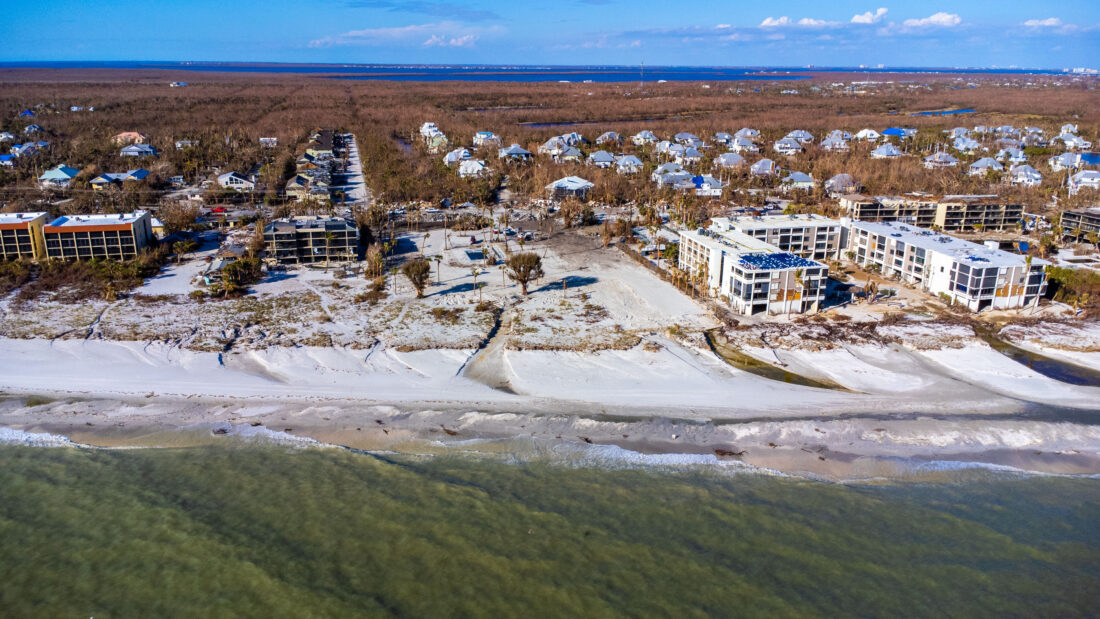
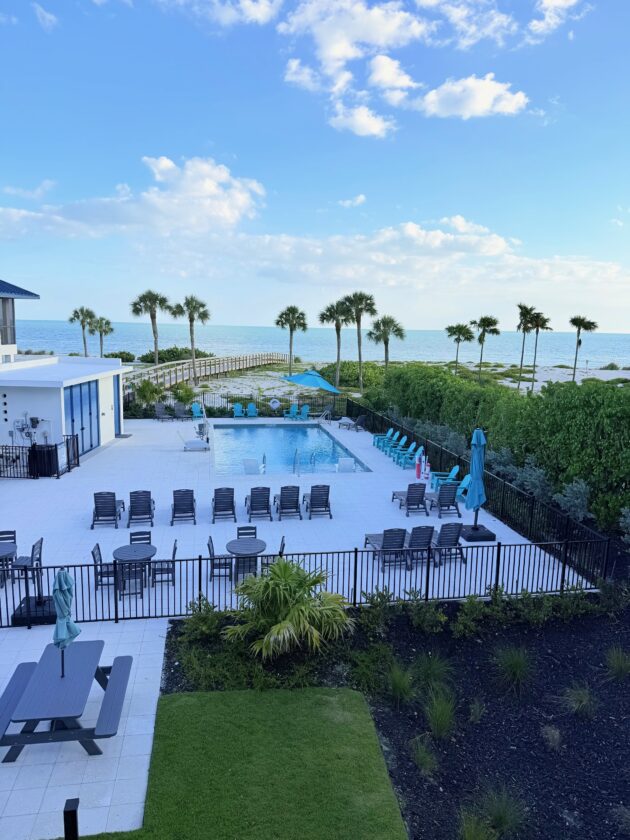
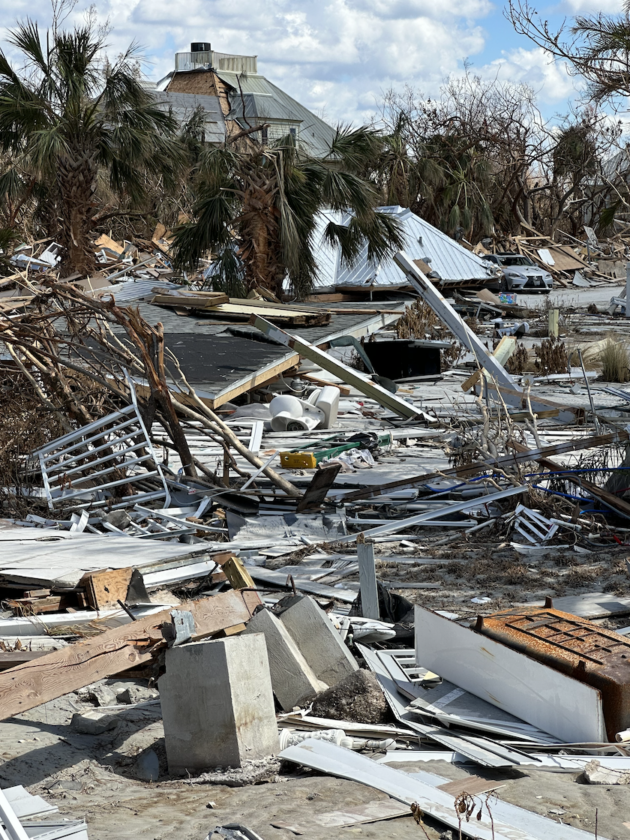
When Hurricane Ian ripped through Lee County in 2022, waterfront businesses were among the hardest hit in local communities – with many facing major reconstruction or a complete rebuild due to total destruction.
While some built back the same, others chose a different route – or created a new emergency plan – to prevent the same level of devastation from the next potential storm, or at least to minimize it.
Sanibel and Captiva
When Shalimar Beach Resort owner and operator Sean Niesel arrived after Ian, it was clear that nothing remained of the Sanibel property. The cottages built in 1959 and the motel added in the 1970s – 33 units in total – were all ground level and washed away, along with the office and garage.
“The storm pretty much washed the four-acre site clean,” he said, noting that the surge was 17 feet. “It was a complete redevelop, a complete rebuild. There was nothing to start from besides the sand.”
At a cost of roughly $14 million, the project took about 18 months for planning and permitting, then 18 months of construction. Working with architect Joyce Owens and builder Stevens Construction, the resort officially reopened on Dec. 28, 2025.
“We had resiliency as the top thing in our mind,” Niesel said. “Maximizing future resiliency with the views of the Gulf. How do we put those two things together in a cost-effective way?”
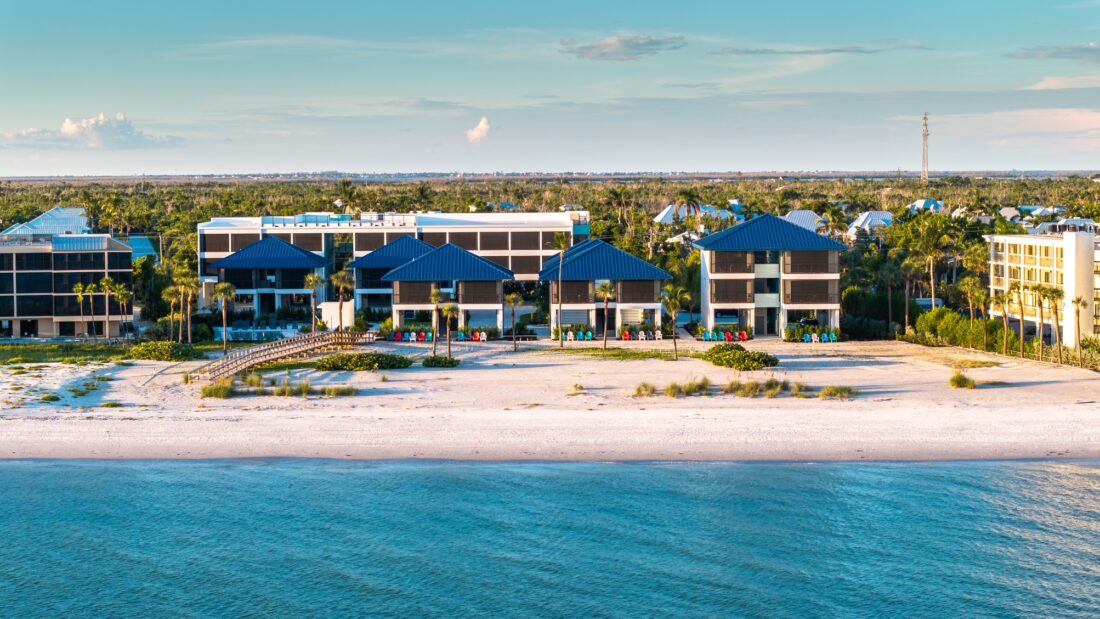
They started by building farther away from the beach and water, a couple hundred feet from the prior location. Construction included more than 500 concrete capped pilings that are connected underground, extending vertically into the now elevated first floor. All of the ground level is open space for parking.
“They’re at least 11 feet,” he said of the first floor elevations.
The buildings are block and concrete to the top, with aluminum metal roofs that are lighter and have a higher impact during strong winds. They also installed hurricane-impact slider doors and windows.
“There’s spray foam insulation, which I think helps with the wind grading,” Niesel said, adding that they upgraded to moisture and mold resilient drywall and all of the trim is waterproof PVC board.
They also planned the layout of the buildings to allow water and wind coming off of the beach to flow underneath and across the property, which Hurricanes Helene and Milton tested — and it worked.
As for the reason for the changes, he pointed to the future.
“It’s a boutique family business. We plan on keeping the property in our family for generations to come,” Niesel said, noting that they had the option to rebuild what had been, but did not see it lasting long.
“We know there’s going to be more storms,” he added. “We did not want to go through a complete wash away again and rebuild.”
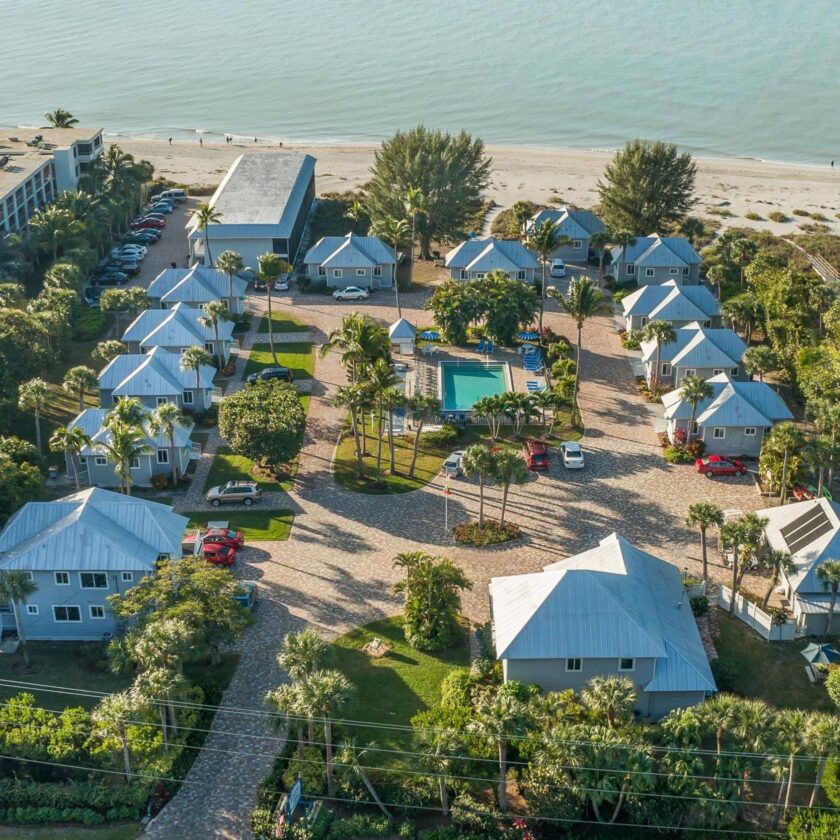
Also on Sanibel, there was little left of the Beachview Cottages following Ian. Owned and operated by Sanibel Captiva Beach Resorts (SCBR), they were built in the late 1950s and consisted of 22 units.
“They were obliterated, literally blown across West Gulf Drive,” President and Board Chairman Tony Lapi said. “They were put together with a little bit of glue and hardwood. There was nothing left.”
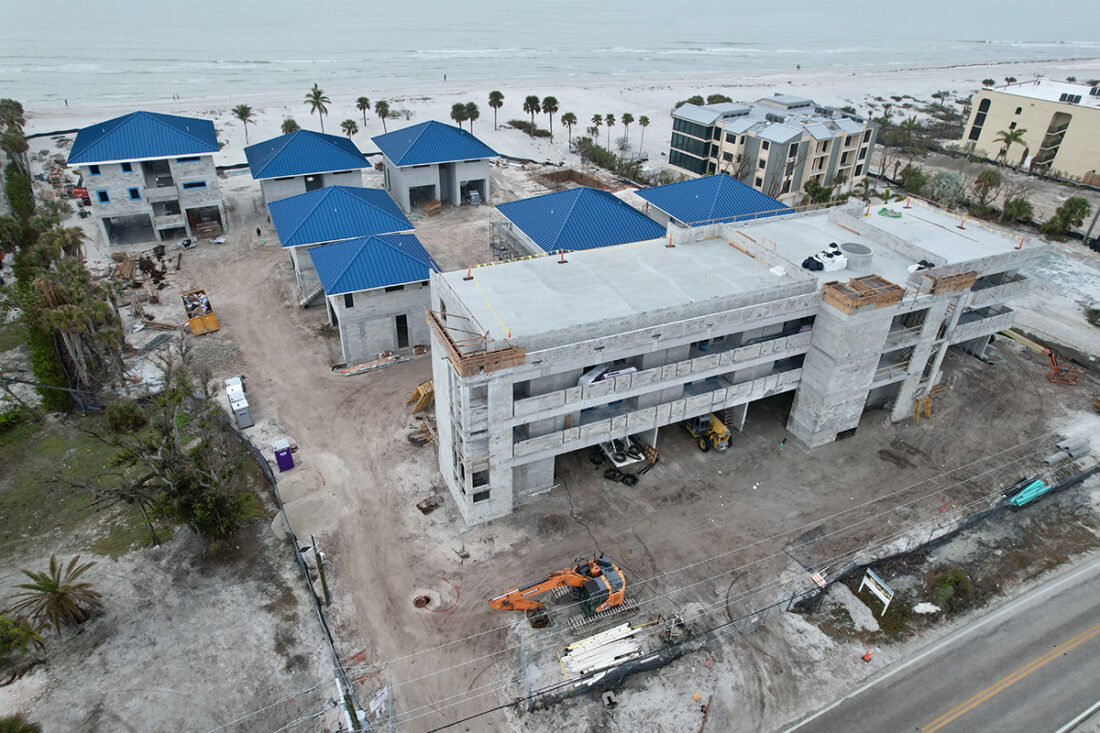
At a build cost of about $16.5 million, the new and renamed Beachview Villas was set to officially open in May 2026. SCBR partnered with Southview Studios owner and operator Joleen Darragh for its architect and builder Stevens Construction on the project, which took about 14-15 months to finish.
-
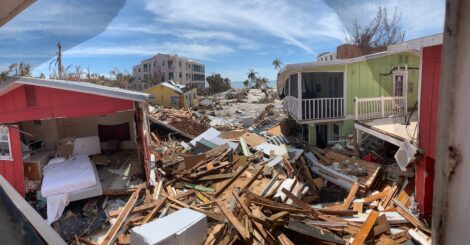
- The Beachview Cottages on Sanibel required a full rebuild after being destroyed during Hurricane Ian. SANIBEL CAPTIVA BEACH RESORTS
-
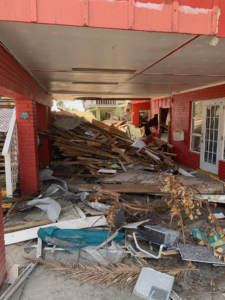
- Remnants of building materials and debris left behind by Hurricane Ian at the Beachview Cottages on Sanibel. SANIBEL CAPTIVA BEACH RESORTS
-
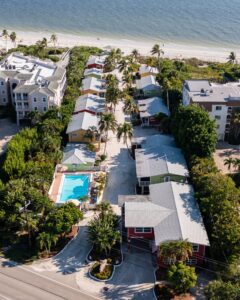
- Consisting of 22 units in different shapes and sizes, the old Beachview Cottages on Sanibel were built in the late 1950s. SANIBEL CAPTIVA BEACH RESORTS
-
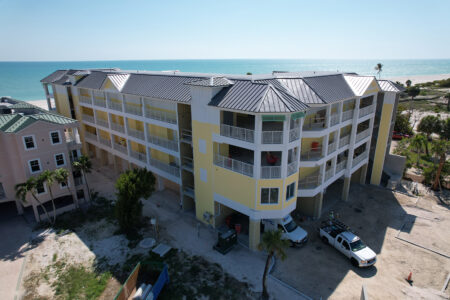
- The new and renamed Beachview Villas on Sanibel were set to officially open in May 2026. SANIBEL CAPTIVA BEACH RESORTS
-
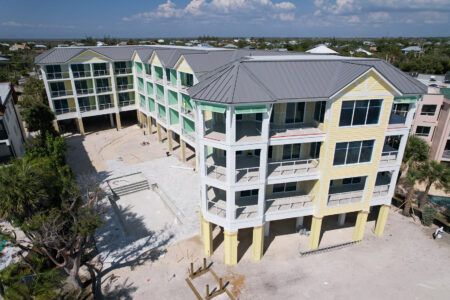
- The new and renamed Beachview Villas on Sanibel features an elevated first floor, concrete pilings with poured columns and solid block walls, hurricane-impact windows, a metal roof and more. SANIBEL CAPTIVA BEACH RESORTS
One structure connected by wings, they utilized about 60 concrete pilings, followed by poured columns and solid block walls. Leaving the ground floor open, minus some parking, the first floor is elevated.
“That floor is probably a good 17 feet up above the mean high tide,” he said.
A metal roof was installed for better resilience against high winds, and Hardie Board that was made to look like wood was used for its durability. All of the windows at the property are hurricane-proof.
“It’s really a sustainable structure to say the least,” Lapi said, explaining that they rebuilt the property using the city’s new building codes and may have even exceeded the requirements in some areas.
In terms of being more environmentally-friendly, they decided to go with geothermal heating and cooling not just for the pool at the villas, but also for heating and cooling all of their units.
Asked about rebuilding with resiliency and hardening in mind, the answer was simple.
“That was an easy call to make – to avoid damage, substantial damage, from future Ians,” he said, adding that they will just have to clean up the property and be set to open if that happens again.
“The thing is like a bomb shelter. It’s built to last, it’s built for resilience,” Lapi added. “The only thing we’ll probably have to do is shovel sand out of the pool.”
Fort Myers Beach
A lot of lessons were learned from Ian on Fort Myers Beach. For those rebuilding, the first order of business has largely been to build higher. That is why businesses that have been reconstructed over the past three years are taller and, where possible, have been built on ground that is at a higher elevation.
When a hurricane is approaching, there is not a lot of time to react. For businesses, there is only so much precious time to move valuables out of harm’s way and to put up the necessary protections. Many have taken to acquiring mobile trailers to move out sections of the business quickly before a storm.
At The Beach Bar, which was the first business to fully rebuild, just about everything inside of it is designed to be pulled out and hauled away by truck in a moment’s notice if a hurricane is on the way. That includes state-of-the-art restrooms built on hydraulics, designed to be hooked up to a sewer system which can be pulled out and hooked up to a truck to be driven away within an hour’s notice.
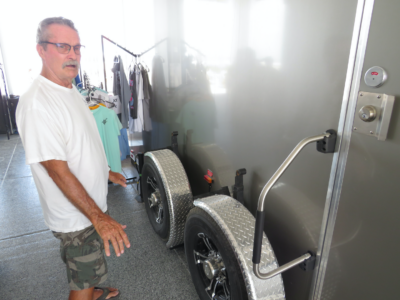
The Beach Bar owner Greg Boyd with his mobile restroom facility on hydraulics that was built to be able to be quickly moved out by truck if another hurricane approaches Fort Myers Beach. NATHAN MAYBERG
In addition, lots of design changes were made to Salty Sam’s Marina and the two restaurants on site, the Parrot Key Caribbean Grill and the Marina Cantina Waterfront Tin Tiki – formerly the Original Shrimp Dock Bar & Grill. The designs matured after the marina’s owners saw the impacts of the storms that followed Ian, including Hurricanes Debby, Nicole, Helene and Milton.
“All restaurant equipment was put on casters (wheels) so we could easily move them,” marina Marketing Director Ryan VanDenabeale said. “After the flooding of first Debby, we decided we would rent big moving trucks and load all restaurant equipment and store displays on these big trucks and drive them inland to high ground. This saved us during Nicole and Milton, and we were basically open the day after the storms.”
“We raised electrical outlets and power meters off ground level after Ian. We replaced low sections of drywall with waterproof composite boards,” he added. “We also know to keep storm supplies, like squeegees, fans, dehumidifiers, organized and ready to go for the next storm surge.”
Yariv Shaked, who rebuilt the Santini Marina Plaza, added hurricane-proof windows and doors to the storefronts. Two years ago, no stores were open. Now, most of the units are filled or opening soon.
“We put in hurricane-glass windows, hurricane-glass doors,” he said. “We waterproofed the cement before we stuccoed and painted it. We put in a new roof.”
Shaked noted that the new spray foam roof has secure air conditioner units that are tighter. The spray foam roofing is designed to offer extra protections from a hurricane. Flooding is his main concern.
“When a hurricane comes, it doesn’t matter what you do. There is nothing you can do to stop a flood like that,” he said.
The owners of the Santini Marina Plaza on Fort Myers Beach installed a new roof, hurricane doors and hurricane-proof windows after Hurricane Ian flooded the shopping center. NATHAN MAYBERG
Shaked would like to put in flood panels to cover the whole plaza, but space is an issue.
“Storage is the problem. Where do you store it?” he said, adding that it would be cost-prohibitive to pay to store the flood panels.
Also, the Town of Fort Myers Beach has strict rules on flood panels for businesses. Shaked has not gone to the city to apply to use flood panels due to the issue of where to store them, along with the cost.
Pine Island and Matlacha
After sustaining serious flooding in Ian, CW Fudge Factory owners William Tidball and Carlos Gomez simply tried to build back better at their Matlacha shop using the best materials that they could afford.
“We wanted to use materials that were more substantial in holding up to possible weather damage,” Tidball said. “Instead of having a wood floor, we epoxied it, so now we can just mop it and pressure wash it. Instead of bringing stuff back in, we raised stuff up.”
“At the end of the day, we still have to work and be in business,” he added.
-
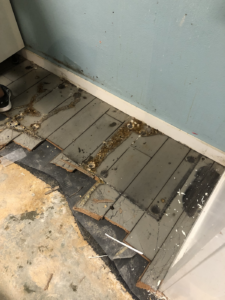
- Hurricane Ian left the CW Fudge Factory on Matlacha flooded with damages and more. CW FUDGE FACTORY
-
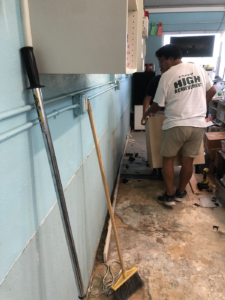
- Hurricane Ian left the CW Fudge Factory on Matlacha flooded with damages and more. CW FUDGE FACTORY
-
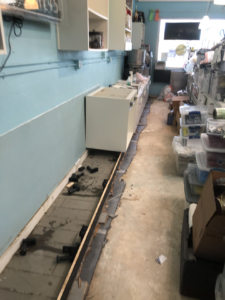
- Hurricane Ian left the CW Fudge Factory on Matlacha flooded with damages and more. CW FUDGE FACTORY
Tidball emphasized that life in Southwest Florida means the question is never if, but rather when, a storm will happen again. He said each storm brings something different, so they try to respond differently in kind. Yet, trying to anticipate which storm will be next to cause calamity is impossible. All they can do is try to be more prepared than they were.
“At the end of the day, you try to do what you can do and lick your wounds afterward,” Tidball said.
Heading into this hurricane season, he said they may try doing things differently than they have before. For instance, they may get outdoor-type PVC cabinets, rather than the ones that stand on the ground.
For Blue Dog Bar and Grill owners John Lynch and Jesse Tincher, quick cleanup is now key.
“Our biggest lesson learned is to try to get post-hurricane clean up done as soon as possible after the storm,” Lynch said.
Other things they have done at their Matlacha restaurant to lessen the impact of any potential future floods include concrete floors and wood furniture.
-
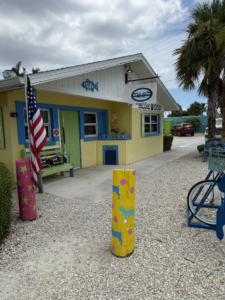
- The restored Blue Dog Bar and Grill on Matlacha features the use of resilient materials, including concrete floors and wood furniture, along with measures like giant plus for all of the drains. BLUE DOG BAR & GRILL
-
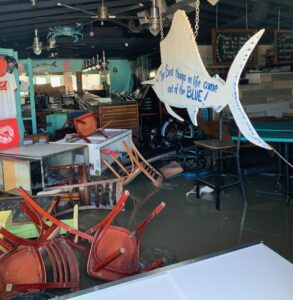
- Debris and water left behind by Hurricane Ian inside of the Blue Dog Bar and Grill on Matlacha. BLUE DOG BAR & GRILL
-
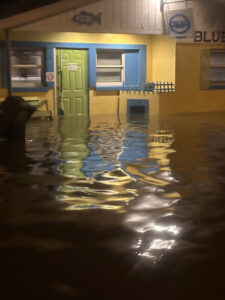
- The Blue Dog Bar and Grill on Matlacha underwater during Hurricane Ian. BLUE DOG BAR & GRILL
“And we have a ton of cinderblocks so that when a storm is coming we can put our appliances on a column of cinderblocks to hopefully keep them out of the water,” he said.
They have also focused on keeping things dry, such as the multiple drains in the restaurant and kitchen and behind the bar.
“We have giant plugs we use on those so they don’t flood from the drains,” Lynch said.
Through the Greater Pine Island Alliance, the restaurant also now has a Starlink system that will allow it to serve as a hub for almost immediate communications for it and its neighbors following a storm.
Referring to the post-Ian period as dark days, he shared that the whole experience was very overwhelming. However, Tincher and he could not help but feel thankful because they still had a standing structure to work with.
“We could still turn the building back into our restaurant,” Lynch said. “So many other people didn’t have that opportunity – that is not lost on me every single day.”
Once they had begun the process of rebuilding, there came a sense of hope and optimism. The most difficult aspect, he admitted with a chuckle, was attempting to clean everything without water.