

BEACH OVERVIEW | In high risk environment… plan, plan, plan
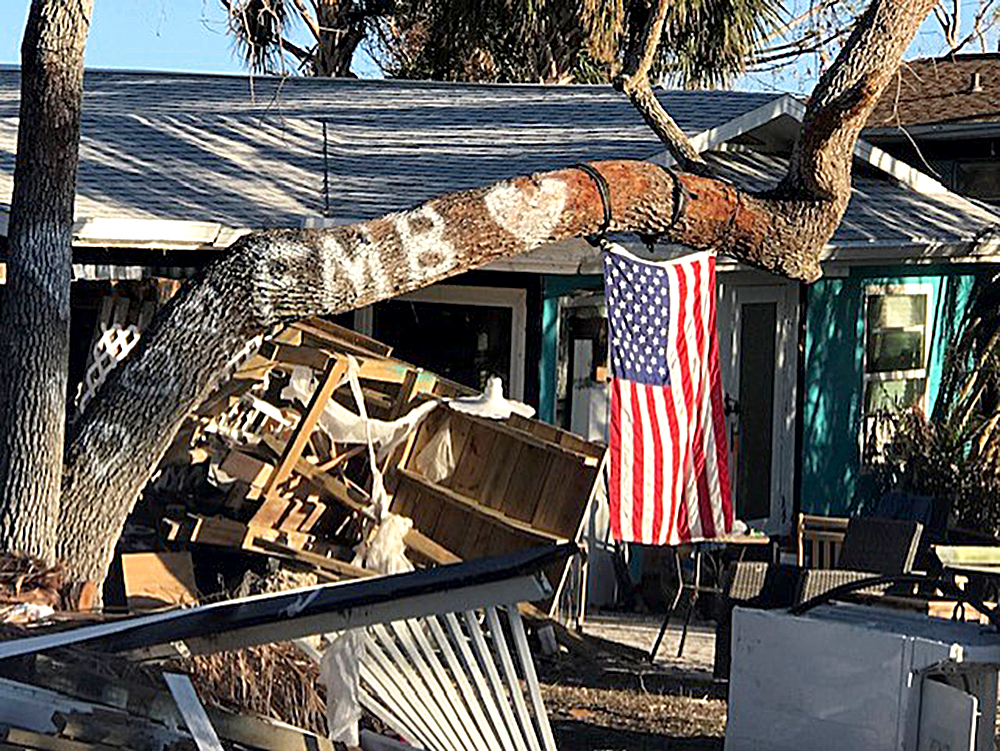
Having a plan and being prepared is everything when a hurricane is approaching. Time is of the essence.
“Preparedness is critical, and we always encourage residents to take steps well before a storm approaches,” Fort Myers Beach Fire Chief Scott Wirth said. “The foremost resource for preseason and storm‑specific planning is the Lee County Hurricane Guide, which provides clear guidance for residents and visitors.”
The Lee County Hurricane Guide can be found online at leegov.com/hurricane. The Fort Myers Beach Fire Control District maintains a comprehensive hurricane preparedness guide on its website at fmbfirefl.gov. The Fort Myers Beach Fire Control District also recommends that residents download the AlertLee application at alertlee.com. This is the platform used for emergency notifications within Lee County. Also, Lee County encourages residents to download the Everbridge Public Safety app, which allows you to see all public notifications issued through the Everbridge system.
“We encourage residents to prepare, have a plan, and to follow all relevant social media platforms. We work with all our partners to ensure we are putting out the same message in the event of a storm,” Fort Myers Beach Fire Marshal Jennifer Campbell said.
The Fort Myers Beach Fire Control District maintains a Facebook page and will notify media agencies such as the Fort Myers Beach Observer, as well as the public information office of the Town of Fort Myers Beach, of alerts ahead of a storm.
Follow media reports closely for when evacuation orders will be issued by Lee County and Fort Myers Beach. Evacuation decisions should be made as early as possible, and to determine if you need to go to shelter or travel out of the county. If you have a pet or any type of special needs and are looking to go to a shelter, register early. There could be limited space.
If you decide you are evacuating before a hurricane, let the Fort Myers Beach Fire Control District know. This will help the department in search-and-rescue efforts after a bad hurricane. The department will not attempt to break into a house to search for residents where they know nobody is home.
When preparing to evacuate for a hurricane, the Fort Myers Beach Fire Control District wants residents to expect to potentially be in situations where they may not have access to items and essentials we take for granted.
That’s why the department’s hurricane preparedness guide recommends that when evacuating, residents take with them food and water, including non-perishable food, manual can openers, grills, lighters, waterproof matches, pots, pans, cups, plates, eating utensils, food storage bags and coolers. The department recommends freezing water in containers or bags in a freezer for 48 hours before a storm.
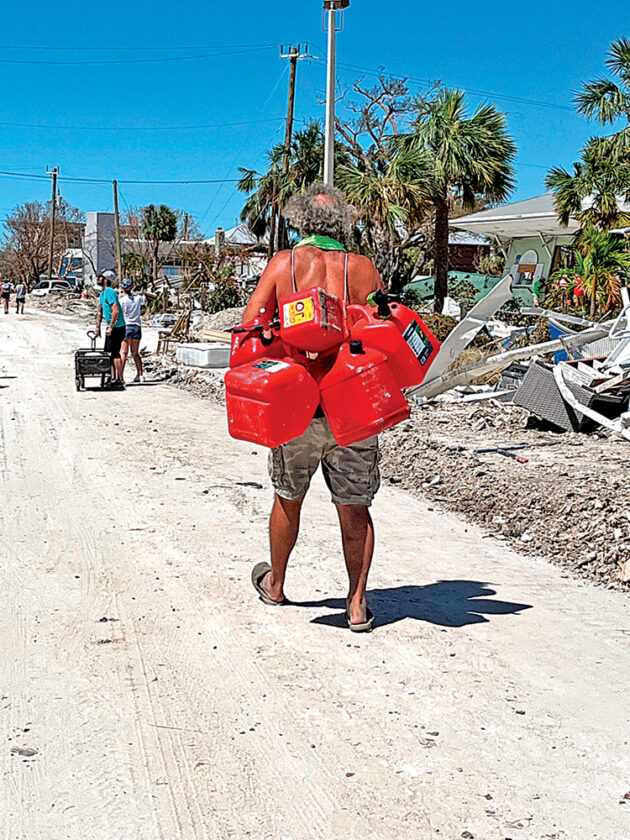
You never know what the situation will be like on the road, which places will have power or when gas will be available. Filling up your gas tank early ahead of a storm is a good idea before long lines and gasoline shortages can potentially come into play in a bad storm. Make sure to bring a cell phone charger in place with you in your vehicle. All tires and fluids should be checked on the vehicle. Emergency phone numbers should be gathered and readily available.
You can never be sure where a storm is heading or when it will turn as Fort Myers Beach saw before Hurricane Ian in 2022, when most weather forecasts were projecting the storm was heading towards Tampa up until a day before Ian hit and brought deadly consequences.
Other items on the fire department’s preparation kit checklist in the event of an evacuation include a tool kit, plastic tarps, nails, duct tape, work gloves, batteries, radio, flashlights and a whistle (to signal for help if needed).
Sanitation/clean Up supplies include unscented bleach (for clean-up/disinfect water), water for cleaning assorted cleaners, sanitizers, and disinfectants; rubber gloves, brushes, brooms, mops, towels, buckets, emergency toilet paper and rags.
Other important items on the checklist that are recommended to be in the preparation kit include medications, spare keys, pens, important papers (put in a watertight container), keepsakes/photos (put in a watertight container), coins, cash, credit cards and/or travelers checks, prepaid telephone cards, maps, games and water for pets.
Before leaving before a hurricane, the department recommends homeowners clean gutters of debris, inspect the roof, storm shutters and garage doors.
Prior to evacuating, property owners should shut off all utilities and inspect all tree limbs that could fall on the home.
The fire department recommends that families form a hurricane plan. Residents should know the evacuation zone in which they are located. Information on zones can be found in Lee County’s All Hazards Guide or visit the Lee County Emergency Management website at leegov.com/publicsafety/emergencymanagement.
Lee County Emergency Management has identified four options for residents to follow in developing a hurricane plan:
Option A: Stay at home. If your home can withstand the expected winds, and you are away from the coast and not in a flood prone area, consider staying home. Never stay in your home if your area is under an evacuation order.
Option B: Stay with a relative, friend, or at a hotel outside the evacuation area. If you plan to do this, make arrangements in advance, and make sure you leave early. Always have an alternate plan.
Option C: Relocate out of the area. Local officials will tell you which evacuation routes to use. Plan your route ahead of time, and make sure to plan alternate routes. Include maps and directions in your hurricane kit. Leave early to avoid high winds, flooding, and traffic.
Option D: Go to a public shelter if you have no safe place to go. Local media will announce which shelters are open. Do not wait until the last minute to learn the route to the shelter. This includes the shelters that accept pets and the shelters that are equipped for special needs.
When preparing for whether to evacuate before a future hurricane, the Fort Myers Beach Fire Control District recommends that residents consider whether their home has hurricane-rated garage doors.
“If your home was built prior to 2003, is two or more stories, constructed of wood, or you are in a flood zone you may want to consider evacuating,” the department’s hurricane guide states.
During the days and hours after a storm, the department recommends listening to the local media for updates, staying calm and patient. Be prepared for days of no power or limited power, meaning no air conditioning, lights, refrigerator or access to electrical appliances. Cell phone usage may be affected, water may be unsafe to drink, toilets may not flush and showers may not work. If you smell gas, do not stay in your home and call for help immediately. Be careful of downed electrical wires and report them to the power company and/or fire and police departments.
Be on the lookout for fire ants, bees, wasps, snakes, rodents and anything else that may be seeking higher ground.
Do not connect generators to your house wiring. Generators are to be used outside in a well-ventilated area and remember to shut down generators during re-fueling and always have a fire extinguisher nearby.
After the storm, beware of unlicensed contractor activity. Do not sign a repair contract until you are able to verify the contractor is licensed. Remember to ask for a copy of their state license.
Do not pay for any services in full up front. Make sure the contractor has acquired any required permits before starting work. For permit-related questions on residential properties, contact the Town’s Building and Permitting Services, at 239-765-0202, extension 1306. For permit-related questions for commercial and multi-family residences, contact Life Safety at 239-590-4210 or the Town’s Building and Permitting Services.
Business owners should ensure critical operations employees know the plan for when to make contact and when to return to work.
Ensure that critical data and business records are backed up electronically. Pre-plan key vendors that are necessary in reopening your businesses as quickly as possible. Review your business’s liability insurance coverage annually. Identify essential employees to help close up the business and to begin restoring operations as soon as possible. Conduct an annual facility safety inspection with key staff members. Ensure key members of the team know how to shut down, secure power utilities, and preserve critical data. Ensure key members of the team know how to shut off the domestic water supply to the building. Form an employee support network to aid employees and their families in preparing, responding, and recovering after the storm has passed.